

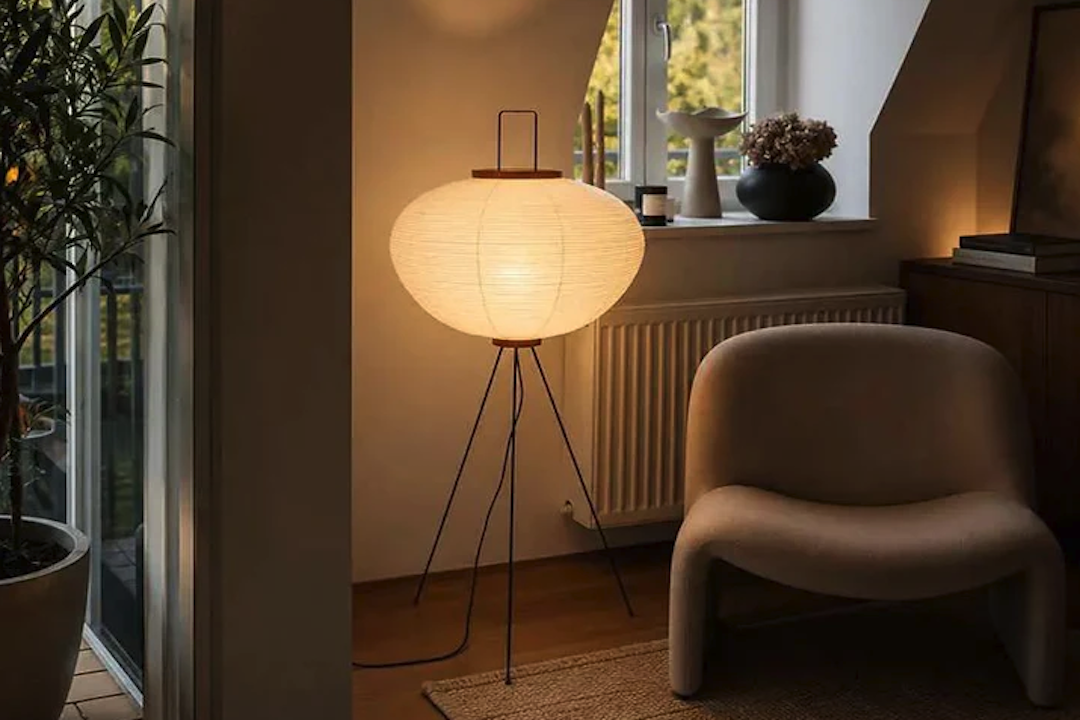
So, you’re wondering if a Japanese rice paper globe floor lamp is a good fit for your living room? The short answer is yes, absolutely! These lamps are fantastic for creating a warm, inviting, and stylish atmosphere without breaking the bank. They offer a soft, diffused light that’s perfect for relaxing, reading, or just adding a touch of serene elegance to your space. Plus, their minimalist design means they blend seamlessly with a variety of decor styles, from modern and Scandinavian to bohemian and traditional.
Why Choose a Japanese Rice Paper Globe Lamp?
If you’re tired of harsh overhead lighting or lamps that cast stark shadows, a rice paper globe lamp Lamolighting could be exactly what you need. Their unique construction, typically a lightweight wire frame covered in delicate rice paper, allows them to filter light beautifully. This creates a gentle, ambient glow that’s incredibly soothing and flattering. Think of it as bringing a little bit of that calming Japanese aesthetic into your home.
The Allure of Washi Paper
It’s worth noting that when we talk about “rice paper,” we’re often referring to washi paper, which is a traditional Japanese paper. Washi is known for its strength despite its delicate appearance, and it’s quite translucent, making it ideal for diffusing light. This isn’t just about aesthetics; the material itself contributes to the quality of light you get from these lamps.
Before these lamps found their way into our modern living rooms, their roots lie deep in Japanese culture, specifically with traditional chōchin (lanterns). Understanding this history can give you a greater appreciation for their design and purpose.
From Temples to Tea Houses
Initially, paper lanterns were practical items, used for illumination in temples, during festivals, and in people’s homes. They were often cylindrical or spherical, and carried by hand or hung up. The artistry involved in their creation, from the intricate bamboo framework to the precise application of washi paper, was highly valued. These weren’t just light sources; they were often works of art themselves, adorned with calligraphy or paintings.
Isamu Noguchi and the Akari Legacy
The true popularization of the modern Japanese paper globe lamp in the Western world, and its transformation into a design icon, can largely be attributed to the Japanese-American artist and designer Isamu Noguchi. In the early 1950s, Noguchi visited Gifu, Japan, a region renowned for its paper lantern craftsmanship. Inspired by the traditional chōchin and the local artisans’ skills, he began designing what he called “Akari Light Sculptures.”
The Philosophy Behind Akari
Noguchi’s Akari lamps were more than just lights; he saw them as “sun-sculptures” – bringing the warmth and gentle light of the sun indoors. The word “Akari” itself means “light” but also “weightlessness” in Japanese, perfectly capturing the delicate, ethereal quality of these lamps. His designs were simple yet profound, combining traditional techniques with modern minimalist aesthetics. This fusion resonated deeply with designers and homeowners alike, elevating the humble paper lantern to a coveted piece of art and functional design.
Design Versatility: Blending with Any Style
One of the greatest strengths of Japanese rice paper globe lamps is their incredible adaptability. You might think such a distinctive item would be hard to incorporate, but its minimalist nature allows it to complement a surprising range of interior design styles.
Modern and Minimalist Spaces
This is where these lamps truly shine. In a modern or minimalist living room, defined by clean lines, uncluttered surfaces, and a focus on functionality, a rice paper globe lamp fits right in. Its simple form doesn’t compete with other design elements; instead, it enhances the overall sense of calm and clarity.
The Power of Simplicity
A single, well-placed globe lamp can act as a subtle focal point without being overtly decorative. Its soft glow contributes to the serene ambiance often sought in minimalist interiors, preventing the space from feeling cold or stark. It adds a touch of organic warmth to modern materials like concrete, glass, and steel.
Scandinavian and Nordic Interiors
Scandinavian design values natural materials, light colors, and a cozy, inviting atmosphere – elements that align perfectly with Japanese aesthetics. Think hygge and lagom, terms that emphasize comfort, contentment, and balance.
Natural Materials and Warmth
The paper and delicate wire frame of these lamps echo the natural wood, wool, and linen frequently found in Scandinavian homes. The diffused, warm light it emits helps create that coveted cozy feeling, especially during darker months. It’s an effortless addition that enhances the bright and airy feel characteristic of Nordic design while adding an element of soft sophistication.
Bohemian and Eclectic Living Rooms
For those who love a more eclectic, layered look, the rice paper globe lamp can be a surprising yet harmonious addition. Its organic shape and humble materials work beautifully amidst a collection of global finds, varied textures, and rich colors.
A Touch of Zen Amidst the Bustle
In a bohemian space that might feature Moroccan poufs, Persian rugs, and an abundance of plants, the lamp offers a grounding, peaceful element. It introduces a subtle, zen-like balance that prevents the room from feeling overwhelming, providing a calm light source that complements the diverse textures and patterns without adding visual clutter. It’s a quiet statement piece that still holds its own.
Traditional and Transitional Settings
You might not immediately think of a Japanese rice paper lamp in a more traditional setting, but its classic shape and subtle presence can actually work wonders to modernize and soften a space.
Softening Formalities
In a room with more traditional furniture or architectural details, a globe lamp can introduce a touch of lightness and contemporary flair. Its ethereal quality can soften heavier wood pieces or ornate fabrics, creating a more relaxed and inviting atmosphere. It acts as a bridge between classic and contemporary, making your space feel updated yet timeless.
The Art of Ambient Lighting
One of the primary reasons to choose a Japanese rice paper globe lamp is its exceptional ability to create beautiful ambient lighting. This isn’t just about illumination; it’s about setting a mood and enhancing the overall feel of your living room.
Soft, Diffused Glow
Unlike direct light sources that can be harsh and create stark shadows, these lamps produce a wonderfully soft, diffused glow. The paper acts as a natural filter, scattering the light evenly across the room.
Reducing Glare and Eye Strain
This diffused light is incredibly gentle on the eyes. It reduces glare, making it easier to relax, read, or watch TV without the discomfort of bright spots. If you spend a lot of time in your living room, this quality of light can make a significant difference to your comfort levels. It’s like having a perpetual soft filter over your space.
Creating a Relaxing Atmosphere
The warm, ambient light from a rice paper globe lamp naturally lends itself to creating a calming and tranquil environment. It’s the kind of light that encourages unwinding after a long day.
Beyond Functional Lighting
Think of it less as a light source to brightly illuminate every corner and more as a mood enhancer. Combined with other subtle light sources like table lamps or dimmable recessed lighting, it contributes to a layered lighting scheme that can transform a room from functional to truly inviting. This is where your living room really starts to feel like a sanctuary.
Shadow Play and Visual Interest
While reducing harsh shadows, these lamps can also create subtle, interesting shadows, particularly if the internal light source casts a faint pattern through the paper or if there are slight imperfections in the paper itself.
Adding Depth to Your Space
These soft shadows add depth and visual interest to a room without being distracting. They contribute to a dynamic yet serene visual experience, making the walls and ceilings feel less flat and more alive. It’s a subtle artistic touch that enhances the overall aesthetic.
Practical Considerations and Placement Tips
Beyond aesthetics, there are some practical aspects to think about when choosing and placing your Japanese rice paper globe floor lamp to ensure it functions perfectly in your home.
Size Matters: Proportionality is Key
These lamps come in various sizes, from modest, medium globes to impressively large spheres. Choosing the right size is crucial for maintaining balance in your living room.
Matching Room Scale
For smaller living rooms or apartments, a medium-sized globe (around 15-20 inches in diameter) might be perfect, offering sufficient light without overwhelming the space. In larger, more open-plan living areas, a larger globe (24 inches or more) can act as a more significant statement piece, grounding the room and drawing the eye. Don’t be afraid to go a little bigger than you initially think – the lightweight nature of these lamps means they rarely feel too imposing.
Strategic Placement for Maximum Impact
Where you place your lamp will greatly influence its effect on the room. Think about both its visual role and its lighting function.
Corner Illumination
Placing a globe lamp in a corner is a classic move. It brightens up an often underlit area, making the room feel larger and more inviting. It also provides a soft, indirect light that bounces off the walls, further enhancing the ambient glow. This is a failsafe option for almost any space.
Beside a Sofa or Armchair
Using the lamp next to seating is ideal if you want to provide gentle lighting for reading or conversation without the harshness of a direct task light. The diffused light is perfect for curling up with a book, creating a cozy reading nook where you can unwind. Just ensure the lamp itself isn’t obstructing views or walkways.
As a Room Divider (in Open Plans)
In open-plan living and dining areas, a floor lamp can subtly define a zone. A large globe lamp placed between the sofa and dining table, for instance, can visually separate the two areas without solid barriers, while continuing to cast its unifying ambient light throughout.
Entryway or Hallway Accent
While not strictly in the “living room,” a well-placed globe lamp in an adjoining entryway or wide hallway can extend the serene ambiance into other parts of your home, creating a welcoming first impression.
Maintenance and Care
Given their paper construction, these lamps require a bit of mindful care to keep them looking their best.
Gentle Cleaning
Dust is the primary enemy. Regular, gentle dusting with a soft, dry cloth or a feather duster is usually sufficient. Avoid using wet cloths or harsh cleaners, as moisture can damage or stain the paper. For more stubborn dust, a soft-bristled brush can work.
Avoiding Damage
The paper is delicate, so be careful during vacuuming or when moving furniture to avoid bumps or tears. Keep the lamp away from high-traffic areas where it might be easily knocked over. If you have pets or small children, consider placing it in a less accessible spot or opting for a more robust shade material. If a tear does occur, specialized paper repair tape or a tiny dab of clear glue can sometimes fix it, but it’s best to be gentle.
Bulb Choice
The type of bulb you use can impact both the light quality and the longevity of your lamp. LED bulbs are an excellent choice. They run cooler, emit less heat (which is better for the paper), are energy-efficient, and come in a wide range of color temperatures. Look for “warm white” or “soft white” LEDs (around 2700K-3000K) to replicate that cozy, incandescent glow. Avoid incandescent bulbs with high wattage, as their heat output could potentially damage or discolor the paper over time.
Integrating With Existing Decor
Bringing a new piece into an already decorated living room can sometimes feel like a puzzle. However, a Japanese rice paper globe lamp is often surprisingly easy to integrate.
Harmonizing with Color Palettes
The natural, neutral color of the rice paper (typically off-white or cream) means it rarely clashes with existing color schemes. It acts as a blank canvas, reflecting and complementing the colors around it without competing.
Adding Lightness
If your living room features darker colors or rich textures, the lamp can introduce a much-needed element of lightness and contrast. It prevents the space from feeling too heavy or enclosed, brightening it up in a soft, subtle way.
Reinforcing Brightness
In a room with a predominantly light and airy palette, the lamp simply enhances that feeling, contributing to an overall sense of openness and tranquility. It’s a supportive actor, not a star that demands all the attention.
Balancing with Furniture Styles
As discussed earlier, these lamps are versatile. What’s crucial is to ensure they don’t look completely out of place, but rather serve as an accent that ties aspects of your room together.
Bridging Old and New
If you have a mix of antique and modern furniture, a globe lamp can act as a bridge. Its timeless design allows it to exist comfortably between different eras, helping to create a cohesive yet eclectic look. It’s a piece with history and contemporary appeal wrapped into one.
Adding Organic Form
In a room dominated by rectilinear furniture (straight lines, square edges), the soft, organic spherical shape of the globe lamp provides a welcome visual counterpoint. It introduces curves and softness, making the space feel more inviting and less rigid. It’s a wonderful way to soften edges.
Layering Textures
Interior design is as much about texture as it is about color and form. The delicate texture of rice paper adds another layer to your room’s tactile experience.
A Delicate Touch
Consider how the lamp’s light weight and translucent paper contrast with heavier materials like velvet, leather, or chunky knits. This interplay of textures adds depth and sophistication to your living room, making it feel more lived-in and thoughtfully designed. It’s about bringing together different elements to create a rich visual experience.
In conclusion, a Japanese rice paper globe floor lamp is far more than just a light source; it’s a design statement, a mood enhancer, and a piece of cultural heritage. Its ability to create beautiful ambient light, coupled with its minimalist elegance and surprising versatility, makes it an excellent addition to almost any living room. If you’re looking to infuse your space with a sense of calm, warmth, and understated style, this classic design is definitely worth considering.