

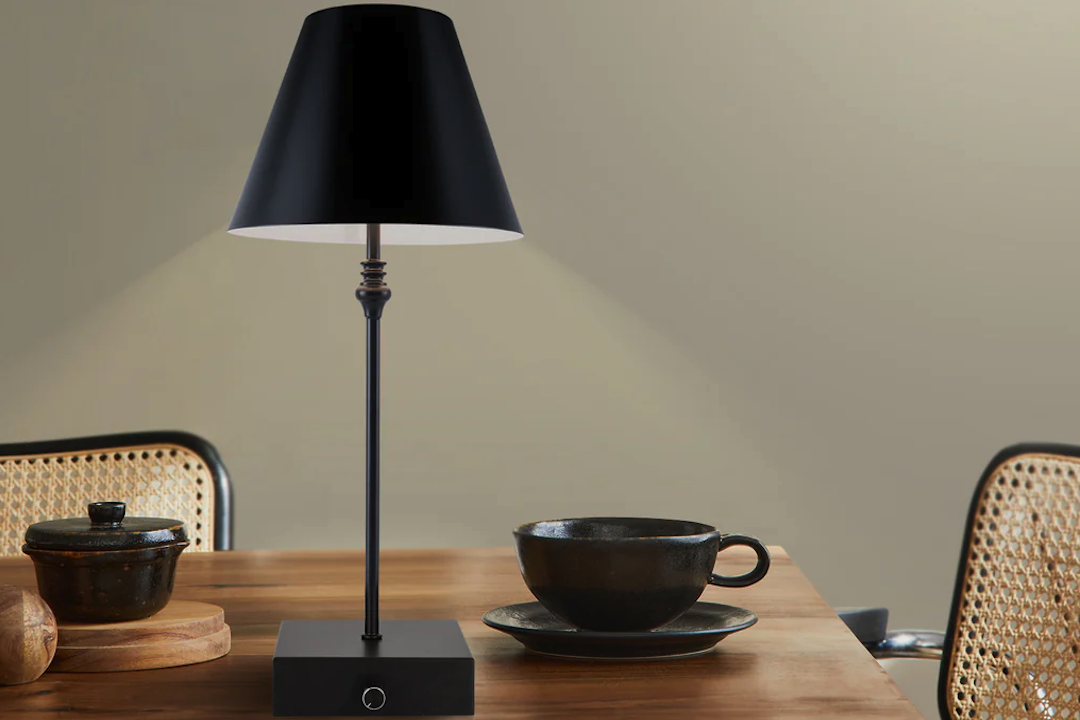
So, you’re wondering about rechargeable cordless table lamps? Simply put, they’re exactly what they sound like: table lamps that don’t need to be plugged into a wall outlet to work, as they run on a built-in, rechargeable battery. This means you can pick them up and move them anywhere you need light, without searching for a plug or tripping over cords. They offer a fantastic blend of convenience and flexibility that traditional lamps just can’t match in many situations.
The biggest draw of a rechargeable cordless table lamp is its sheer versatility. Imagine being able to place a lamp Ilonalighting exactly where you need it, rather than where an outlet dictates. This opens up a world of possibilities for how you light your home or even your outdoor spaces.
Light Where You Need It, When You Need It
One minute it’s on your desk helping you focus, the next it’s a cozy glow on your bedside table, and then it’s illuminating your outdoor dining area. This isn’t just about aesthetics; it’s about practical lighting solutions for everyday life.
Beyond the Home
Their portability extends beyond the typical living room or bedroom. Think about using them for:
- Outdoor Entertaining: No more fumbling in the dark while grilling or chatting on the patio.
- Camping or Glamping: A bit of civilized light without the fuss of generators or messy lanterns.
- Power Outages: A reliable light source that doesn’t depend on your home’s electrical grid.
- Crafting or Hobbies: Focused light precisely where you’re working, even if that’s a temporary setup.
This freedom from outlets truly transforms how you interact with light in your environment.
Design Meets Function: Aesthetics and Materials
Modern rechargeable cordless lamps aren’t just about utility; they’re also designed to look good. Manufacturers are increasingly recognizing that these lamps are often on display, and their aesthetic needs to match contemporary interiors.
A Spectrum of Styles
You’ll find these lamps in an incredibly wide range of styles, from minimalist and industrial to more decorative or even classic designs.
- Sleek and Modern: Think metal finishes, clean lines, and often integrated LED light sources for a very contemporary look.
- Warm and Natural: Options featuring wood, rattan, or textile shades can add a softer, more organic feel to a space.
- Industrial Chic: Concrete bases, exposed bulbs, or cage designs can add an edgy, urban touch.
This variety means you don’t have to compromise on your home’s decor to gain the benefits of a cordless lamp.
Material Choices and Durability
The materials used in these lamps vary significantly, impacting both their look and their durability.
- Metals (Aluminum, Steel): Often used for bases and stems, providing a sturdy and sometimes sleek appearance. Aluminum is popular for its lightweight and corrosion resistance.
- Plastics (ABS, Polycarbonate): Can be molded into various shapes and colors, offering a more budget-friendly and sometimes more durable option for outdoor use. Many are designed to be UV-resistant.
- Wood: Adds warmth and a natural touch, though needs to be considered for outdoor use as it’s more susceptible to weather damage unless treated.
- Glass: Used for diffusers or shades, offering a refined look but also more fragility.
- Silicon: Increasingly used for bases or diffusers, offering a soft touch and some impact resistance.
When choosing, consider where you’ll primarily use the lamp. An outdoor lamp will need better weather resistance, for instance, which often means specific plastics or treated metals.
Powering Your Portable Light: Battery Technology
At the heart of every rechargeable cordless lamp is its battery. Understanding a little about battery technology can help you choose a lamp that meets your needs for runtime and longevity.
Common Battery Types
Most modern rechargeable lamps use one of two main battery types:
- Lithium-Ion (Li-ion): These are the most common type you’ll find. They offer a good balance of energy density (meaning more power in a smaller package), lighter weight, and a relatively long lifespan. They also have a low self-discharge rate, meaning they hold a charge well when not in use.
- Lithium Polymer (LiPo): Similar to Li-ion but often found in thinner, more flexible forms. They offer comparable performance but can sometimes be more expensive.
Less common now are Nickel-Metal Hydride (NiMH) batteries for lamps, as they tend to have lower energy density and a higher self-discharge rate compared to lithium-based options.
What to Look For: Capacity and Runtime
Battery capacity is usually measured in milliampere-hours (mAh). A higher mAh rating generally means a longer runtime.
- Runtime Estimates: Manufacturers will typically provide an estimated runtime, often at different brightness settings. A lamp might run for 8-10 hours on its highest setting but extend to 20-30 hours on a lower, softer setting.
- Charging Time: This varies widely based on battery capacity and the charging method. Smaller batteries might fully charge in a couple of hours, while larger ones could take 4-6 hours.
- Charging Method: Most lamps charge via a USB-C cable, offering convenient charging from a wall adapter, power bank, or even a laptop. Some higher-end models also feature wireless induction charging, adding another layer of convenience.
It’s helpful to compare the stated runtime with your typical usage. If you only need a few hours of light for dinner, a smaller battery might suffice. If you plan to use it for extended periods outdoors, a larger capacity is a good idea.
Battery Lifespan and Replacement
Like all rechargeable batteries, those in cordless lamps have a finite lifespan, typically measured in charge cycles (the number of times they can be fully charged and discharged before their capacity significantly degrades).
- Typical Lifespan: You can generally expect several hundred charge cycles, meaning many years of use under normal conditions.
- User Replaceable? This is a key consideration. Some lamps are designed with user-replaceable batteries, which extends the life of the lamp itself. Others have integrated batteries that are difficult or impossible for the average user to replace, meaning when the battery dies, the whole lamp might need to be replaced (or professional repair sought). This is worth checking in the product specifications if longevity is a major concern.
Illumination Features: Beyond Just On/Off
Modern rechargeable cordless lamps offer more than just a simple light source. They often come with a range of features that enhance their utility and user experience.
Brightness Levels and Dimming
Most lamps will offer multiple brightness settings, allowing you to tailor the light to your specific need and mood.
- Stepped Dimming: Usually 2-4 preset brightness levels, easily cycled through with a button press.
- Stepless (Continuous) Dimming: Allows you to hold down a button to smoothly adjust the brightness from minimum to maximum, offering more precise control.
This feature is crucial for adapting the lamp from task lighting to ambient lighting.
Color Temperature Options
Beyond just brightness, many lamps allow you to adjust the “color” of the light, measured in Kelvin (K).
- Warm White (2700K-3000K): A soft, yellowish light, similar to traditional incandescent bulbs. Great for creating a cozy, relaxing atmosphere.
- Neutral White (3500K-4500K): A balanced light that’s good for general illumination and tasks where you need good color rendition without being too harsh.
- Cool White/Daylight (5000K-6500K): A brighter, whiter light that can feel more energizing. Often preferred for task lighting or in workspaces.
Having these options allows you to shift the mood of your space instantly, moving from a warm glow for dinner to a brighter light for reading.
Smart Features and Controls
While not as common as in corded smart lamps, some rechargeable models are starting to integrate smart capabilities.
- Touch Controls: Many lamps use touch-sensitive panels for power, dimming, and color temperature adjustment, offering a very clean and intuitive interface.
- App Control: A select few connect to a smartphone app via Bluetooth, allowing for more granular control over brightness, color temperature, and even scheduling.
- Voice Control (Rare): Very few cordless lamps integrate with voice assistants directly, but if they have app control, you might be able to integrate them into broader smart home routines.
- Memory Function: A useful feature that remembers your last brightness and color temperature setting when you turn the lamp back on.
These features add a layer of sophistication and convenience, making the lamp more adaptable to your modern lifestyle.
Practical Considerations and Maintenance
Before investing in a rechargeable cordless table lamp, it’s worth thinking about a few practical aspects that will influence your satisfaction with the product.
Durability and Weather Resistance
If you plan to use the lamp outdoors, even occasionally, weather resistance is paramount.
- IP Ratings: Look for an IP (Ingress Protection) rating. The first digit refers to solid particle protection (dust), and the second to liquid protection (water).
- IP20: Only dust protection, not suitable for humid environments.
- IP44: Protected from splashing water from any direction. Good for sheltered outdoor use.
- IP65/IP67: Dust-tight and protected against water jets (IP65) or temporary immersion (IP67). Ideal for exposed outdoor use.
- Material Choice: As discussed, certain materials like treated aluminum, stainless steel, and specific plastics hold up better to the elements.
Don’t assume a lamp is outdoor-friendly unless explicitly stated and backed by an IP rating.
Weight and Portability
While all these lamps are portable, their actual weight can vary significantly.
- Lighter Models: Great for frequent movement, but might feel less substantial.
- Heavier Models: Often use more robust materials or larger batteries, offering more stability but might be a bit cumbersome to carry around constantly.
Consider how often and how far you’ll be moving it. A lamp meant for occasional patio use might be fine being a bit heavier than one you want to carry from room to room daily.
Cleaning and Care
Most rechargeable cordless lamps are relatively low maintenance.
- Wipe Down: A soft, dry or slightly damp cloth is usually sufficient for cleaning external surfaces. Avoid harsh chemicals that could damage finishes or seals.
- Charge Regularly: To maintain battery health, it’s generally best to avoid completely draining the battery frequently. Top it up when convenient. If you won’t be using it for an extended period, charge it to about 50-70% capacity before storing it, and recharge it every few months.
- Storage: Store in a cool, dry place away from direct sunlight or extreme temperatures.
Following these simple steps will help ensure your lamp continues to perform well for years to come. Ultimately, a rechargeable cordless table lamp is more than just a light source; it’s a tool for flexible living, adapting to your needs and preferences, and providing light precisely where and when you need it, often with a touch of modern design that enhances your space.