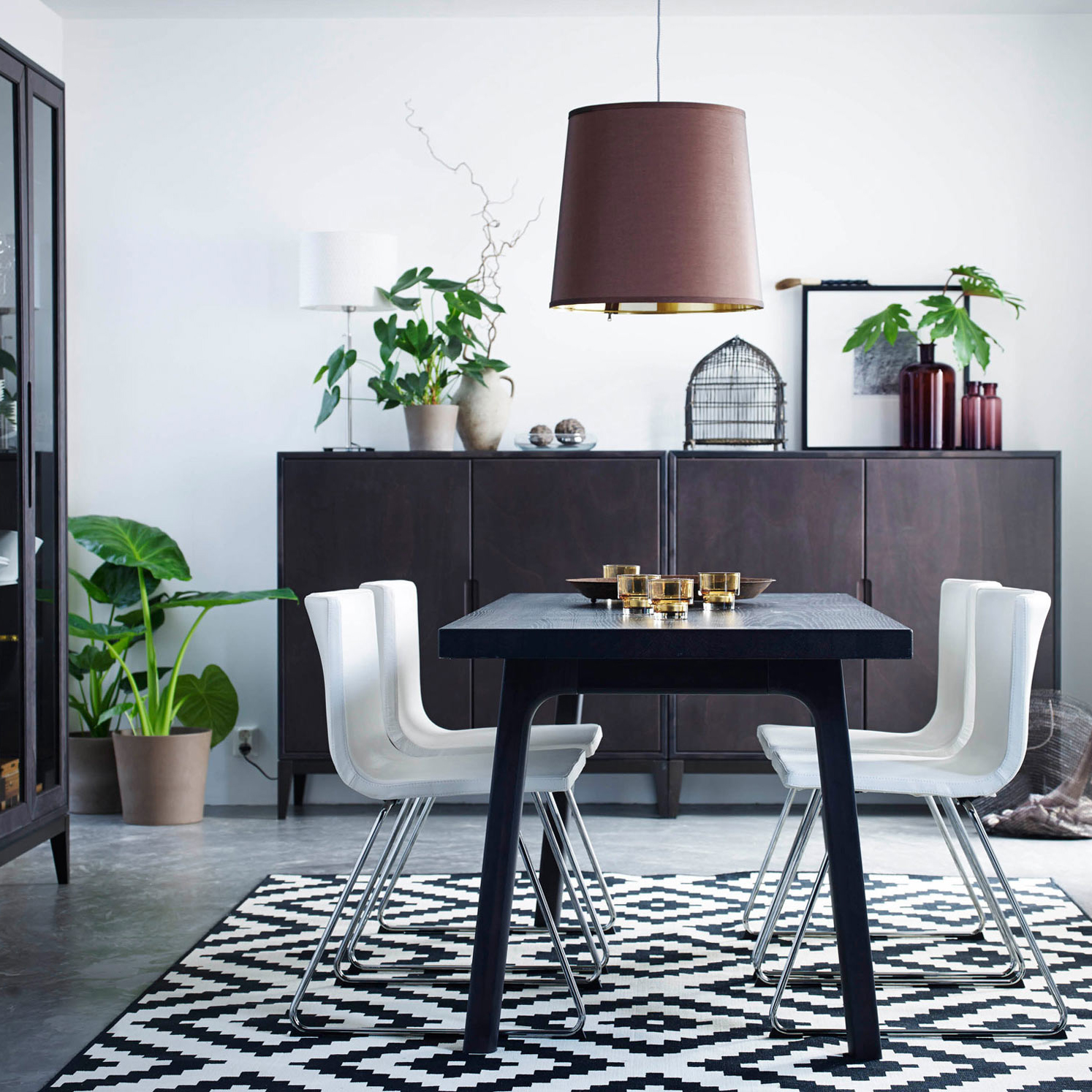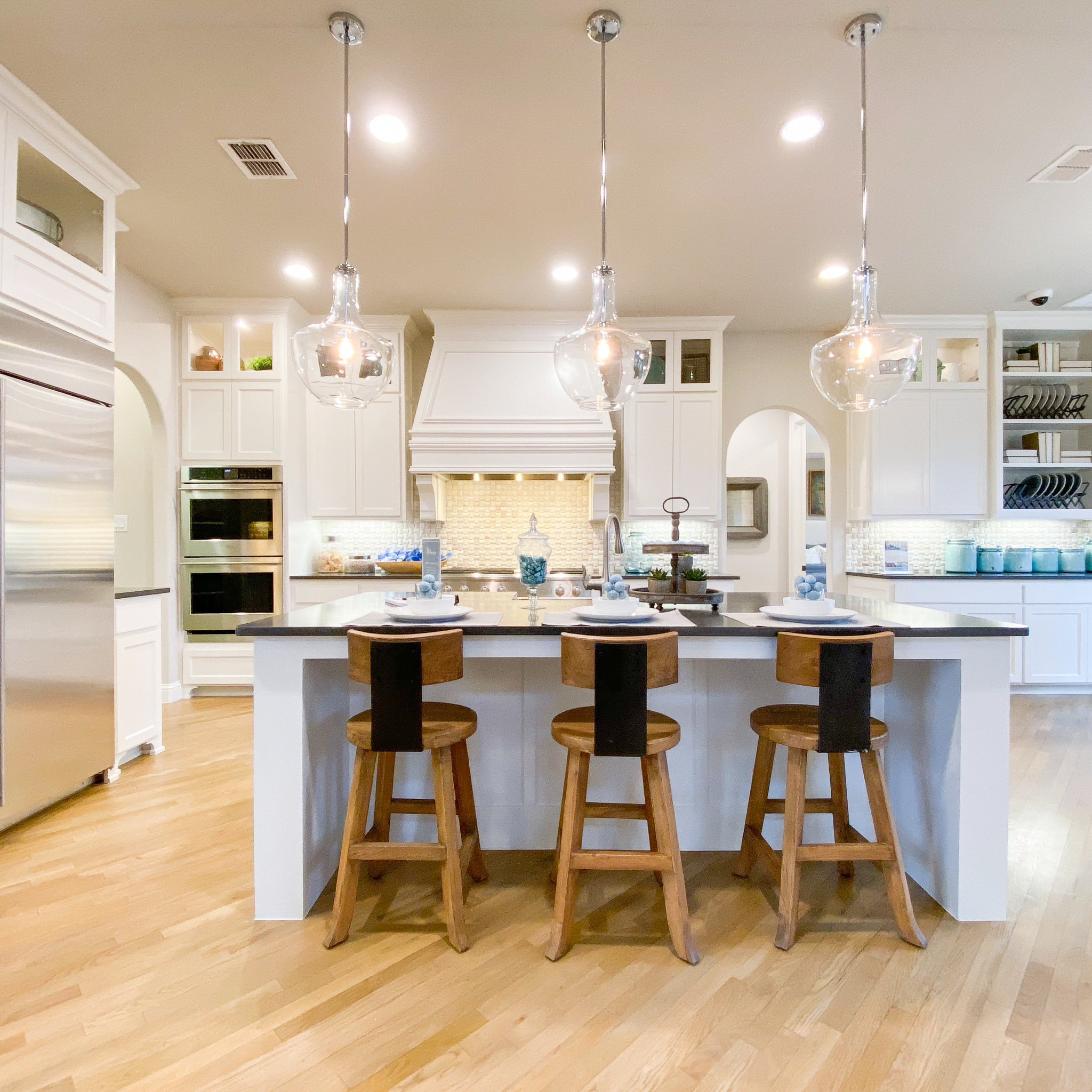
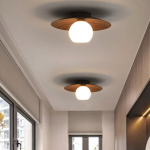


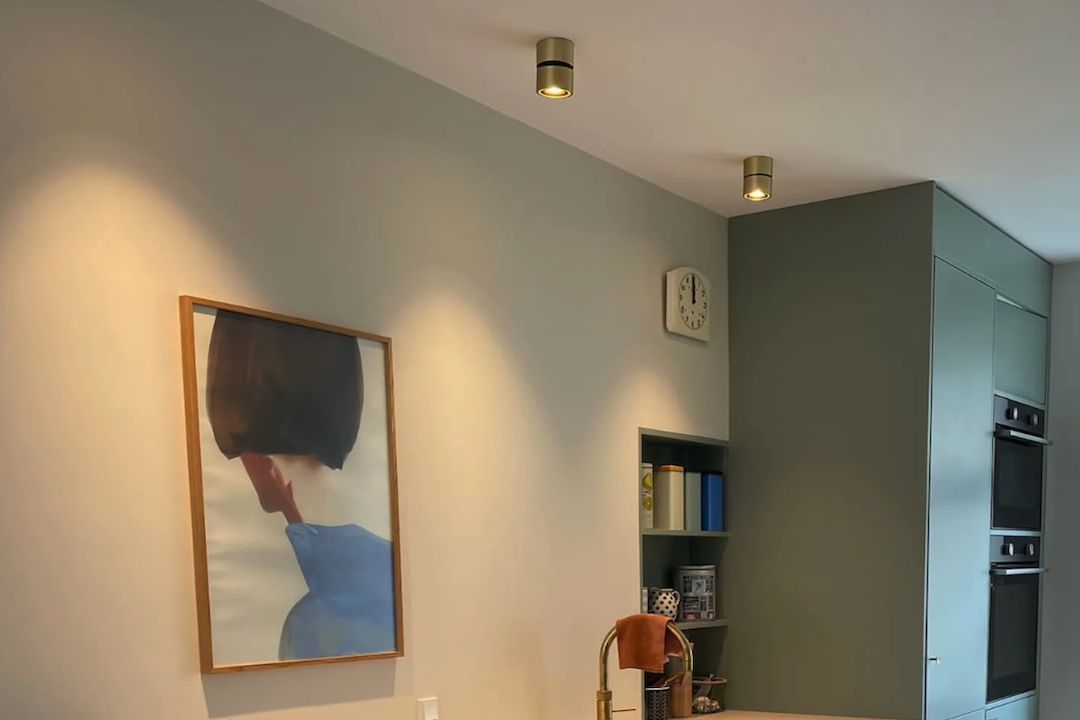
So, you’re looking to light your kitchen without making a big fuss about it? Minimal kitchen ceiling lights are all about achieving a clean, uncluttered look while still providing effective illumination. The core idea is to integrate lighting seamlessly, making it part of the architecture rather than a decorative centerpiece. This approach suits modern and contemporary interiors particularly well, where simplicity and functionality are key. Think understated fixtures that blend in, offering focused light without drawing undue attention to themselves.
Minimalism in kitchen lighting Lappinlighting isn’t just a trend; it’s a practical design choice that offers several benefits for everyday living.
Creating Visual Calm
A busy kitchen often equals a busy mind. When your ceiling is adorned with chunky, ornate fixtures, it can contribute to a sense of visual clutter. Minimal lights, by contrast, recede into the background. They allow your eyes to focus on other elements of your kitchen, like a beautiful backsplash or a striking countertop. This visual calm can make your kitchen feel more spacious and less overwhelming, which is a definite plus in a room that sees a lot of activity. It’s about making your space feel more open and airy, rather than cramped or heavy.
Focusing on Function
Let’s be honest, the primary purpose of kitchen lighting is to help you see what you’re doing. Minimal fixtures excel here because they prioritize function over elaborate form. Instead of large, decorative pieces that might cast uneven shadows or block sightlines, minimal lights deliver targeted illumination where it’s needed most. This might mean spotlights above your work areas, or integrated LED strips that wash an entire surface with light. The focus shifts from the light fitting itself to the light it produces, ensuring your cutting board, stovetop, and sink are always well-lit.
Complementing Modern Aesthetics
Modern interior design often champions clean lines, uncluttered surfaces, and a palette of neutral colors. Minimal lighting fits this aesthetic like a glove. It doesn’t compete with other design elements but rather enhances them. If your kitchen features sleek cabinetry, handle-less doors, and a streamlined island, a prominent, decorative light fixture would feel out of place. Minimal lighting maintains the coherent, sophisticated look that modern design strives for, ensuring every element works in harmony.
Types of Minimal Ceiling Lights
When you think “minimal,” a few specific types of fixtures often come to mind. These options are popular for their ability to deliver effective light without dominating the ceiling space.
Recessed Lighting (Pot Lights)
Perhaps the quintessential minimal lighting solution, recessed lights are installed directly into the ceiling, creating a seamless, flush finish.
Advantages of Recessed Lighting
- Invisible Fixture: The main benefit is that the light fixture itself is practically invisible. All you see is a small aperture from which light emanates. This makes your ceiling look clean and uninterrupted.
- Targeted Illumination: Recessed lights are excellent for task lighting. You can strategically place them to illuminate specific work zones, like over your island, sink, or stove. This ensures you have strong, focused light where you need it for food preparation and cooking.
- Versatile Placement: They offer flexibility in layout. You can arrange them in a grid, along the perimeter, or in clusters to create different lighting effects and cover various areas.
- Dimmable Options: Most recessed lighting systems are compatible with dimmers, allowing you to adjust the light intensity for different moods or activities. Bright for cooking, softer for dining.
Considerations for Recessed Lighting
- Professional Installation: Installing recessed lighting often requires cutting holes in your ceiling and dealing with electrical wiring. This is usually a job for a qualified electrician.
- Ceiling Height: While versatile, they are best suited for ceilings with adequate depth to house the fixture’s housing.
- Potential for “Swiss Cheese” Effect: Overdoing it with recessed lights can make your ceiling look like a piece of Swiss cheese. A thoughtful lighting plan is crucial to avoid this.
Track Lighting Systems
Track lighting involves a linear track mounted on the ceiling, to which individual light fixtures (heads) are attached.
Flexibility in Design
- Adjustable Heads: The beauty of track lighting is its adjustability. You can slide the light heads along the track, rotate them, and angle them to direct light precisely where you want it. This is incredibly useful in a kitchen where lighting needs might change.
- Variety of Fixture Styles: While the track itself is minimal, the individual light heads come in various simple styles that maintain the minimal aesthetic. Think slim cylinders or small, unobtrusive spotlights.
- Adaptable to Layout Changes: If you rearrange your kitchen or add a new piece of furniture, you can easily adjust your track lights to illuminate the new layout without needing to re-wire.
Installation Notes
- Surface Mounted: Unlike recessed lights, the track is mounted on the surface of the ceiling. However, modern track systems are very sleek and can blend in effectively.
- Can Be Extended: Track systems are modular, meaning you can extend them if you need to cover a larger area or add more light heads in the future.
Flush Mounts and Semi-Flush Mounts
These fixtures are mounted directly to the ceiling, with flush mounts sitting entirely against the surface and semi-flush mounts having a small gap.
Simple and Unobtrusive
- Low Profile: Both types are designed to have a minimal presence. Flush mounts are practically part of the ceiling, while semi-flush mounts offer a tiny bit of separation, adding a subtle design element without being a statement piece.
- Even Light Distribution: They often provide a good spread of ambient light across the room, which is beneficial for general illumination in a kitchen.
- Good for Lower Ceilings: If your kitchen has a lower ceiling, flush and semi-flush mounts are a good choice as they don’t dangle down and obstruct headroom.
Material and Finish Choices
- Subtle Aesthetics: Look for fixtures with clean lines, simple shapes (circles, squares), and finishes that match your kitchen hardware or paint color. Brushed nickel, matte black, or white are common choices for a minimalist look.
- Diffused Light: Many minimal flush mounts incorporate diffusers to soften the light and prevent harsh glare, creating a more comfortable environment.
Integrated LED Lighting
This category refers to lighting where the LED component is built directly into the fixture or even into the architecture itself.
The Ultimate in Seamlessness
- LED Strips: Think of LED strips installed under cabinets to illuminate countertops, inside drawers, or along kick plates for a subtle glow. These are virtually invisible when off but provide very practical light when on.
- Fixture-Integrated LEDs: Many modern minimalist fixtures, whether recessed or flush mount, come with integrated LED modules. This allows for incredibly slim profiles and unique designs that wouldn’t be possible with traditional bulbs.
- Energy Efficiency: LEDs are known for their energy efficiency and long lifespan, making them a practical choice for a hard-working kitchen.
Design Opportunities
- Architectural Integration: Integrated LEDs can be designed into custom shelving, ceiling coves, or even wall panels, blurring the line between lighting and architecture.
- Varying Color Temperatures: Many LED systems offer tunable white light, allowing you to switch between warm, inviting tones and cooler, crisp lighting, depending on your needs.
Planning Your Minimal Kitchen Lighting Layout
A good lighting plan is crucial for a functional and visually appealing kitchen, especially when going for a minimal look. It’s not just about what fixtures you choose, but where you put them.
Layering Your Light
Effective lighting isn’t about one type of light doing everything; it’s about using different types of light to achieve specific goals. This is called layering.
Ambient Lighting
- General Illumination: This is the base layer of light, providing overall brightness for the room. Recessed lights, flush mounts, or even integrated ceiling panels are good choices for ambient light in a minimal kitchen. It should be bright enough to navigate the room comfortably without being harsh.
Task Lighting
- Work-Specific Light: This is crucial in a kitchen. Task lighting should directly illuminate your workstations. Think about where you chop, cook, wash dishes, and read recipes. Under-cabinet LED strips, small recessed spotlights over work zones, or focused track lights are excellent for task lighting. This light should be bright and focused, minimizing shadows on your work surfaces.
Accent Lighting (Subtle)
- Highlighting Features: While minimalism often shies away from overt decorative elements, subtle accent lighting can enhance your kitchen. This might mean small LED strips illuminating open shelving, or a discreet spotlight on a piece of art. The key is subtlety – it enhances without demanding attention.
Determining Light Placement
Where each type of light goes is just as important as the type of light itself.
Over the Island/Peninsula
- Balance of Task and Ambient: If your island is a primary workspace, task lighting is essential. Small recessed lights or a linear track light system can provide focused illumination. If it’s also a dining area, ensuring the light isn’t too harsh is important. Sometimes, very slim, simple pendant lights – chosen for their minimalist form – can also work here, acting as both ambient and task light, but they must be extremely understated.
Over Workstations (Sink, Stove, Countertops)
- Strong Task Focus: These areas demand strong, focused task lighting. Under-cabinet lighting is a game-changer here, eliminating shadows from overhead fixtures. Recessed lights directly above these areas are also highly effective. The goal is to make sure your hands and what you’re working on are always well-lit.
General Pathways
- Even Ambient Spread: For the pathways and general areas of your kitchen, ambient lighting ensures you can move safely and comfortably. A grid of recessed lights or well-placed flush mounts will provide adequate general illumination without creating dark spots.
Choosing Finishes and Materials
The finishes and materials of your minimal light fixtures are fundamental to maintaining a cohesive, unobtrusive design.
Matching Kitchen Aesthetics
The goal is for the lighting to blend in, not stand out.
Matte Finishes
- Reducing Reflectivity: Matte finishes (like matte white, matte black, or brushed nickel) absorb light rather than reflecting it brightly. This helps the fixture disappear into the ceiling or cabinetry, creating a more seamless look. High-gloss finishes, while modern, can draw more attention.
- Subtle Presence: A matte white fixture on a white ceiling becomes almost invisible. A matte black track light can provide a sharp, yet understated, contrast against a lighter ceiling.
Neutral Colors
- Blending In: White, black, and various shades of grey are your best friends in minimal design. These colors don’t compete with other elements.
- Coordinating with Elements: Consider matching the color of your light fixtures to your ceiling color, or to the hardware of your cabinetry for a harmonious look. For under-cabinet lighting, a finish that matches the underside of your cabinets or the cabinet interior will be the most discreet.
Quality and Durability
Minimalism doesn’t mean sacrificing quality. In fact, good design often implies good construction.
Durable Materials
- Longevity: Look for fixtures made from robust materials like aluminum, steel, or high-quality plastics. These materials will withstand the rigors of a kitchen environment (heat, steam) and continue to look good over time.
- Ease of Cleaning: In a kitchen, fixtures need to be easy to wipe down. Smooth surfaces and simple shapes are much easier to clean than ornate designs with many crevices.
Longevity of LEDs
- Reduced Maintenance: If opting for integrated LED lighting, confirm the expected lifespan. High-quality LEDs can last for tens of thousands of hours, meaning less frequent bulb changes, which perfectly aligns with the low-maintenance aspect of minimalist design.
- Color Consistency: Cheaper LEDs can sometimes have inconsistent light color over time. Investing in reputable brands can prevent this, ensuring your kitchen maintains its clean, even illumination.
Smart Lighting Integration
Embracing smart lighting can elevate the functionality and flexibility of your minimal kitchen lighting setup, making it even more practical and user-friendly without adding visual clutter.
Enhanced Control
Smart lighting systems offer a level of control that traditional switches cannot match.
Dimmability and Color Tuning
- Adjustable Ambience: With smart lighting, you can easily dim your lights from a bright, task-focused intensity to a soft, ambient glow, perhaps for an evening meal.
- Controlling Color Temperature: Many smart LED systems allow you to adjust the “warmth” or “coolness” of your white light. You can opt for a cooler white (e.g., 4000K) for focused tasks during the day, and switch to a warmer white (e.g., 2700K) for a more relaxed evening atmosphere. This versatility is achieved with a simple app or voice command, with no visual changes to the fixtures themselves.
Zone Control
- Independent Lighting: Smart systems allow you to create different lighting zones within your kitchen. You could have your island lights in one zone, your under-cabinet lights in another, and your general ambient lights in a third. This means you can turn on or off, dim, or change the color of each zone independently, tailoring the light precisely to the activity or mood.
- Pre-set Scenes: You can program “scenes” – combinations of light settings – for different activities. For example, a “cooking scene” could turn on all task lights at full brightness, while a “dinner scene” might dim the ambient lights and turn on subtle accent lighting.
Seamless Operation
The beauty of smart lighting in a minimal kitchen is that the technology is largely invisible, integrating naturally into your daily routine.
Voice Control
- Hands-Free Convenience: In a kitchen, your hands are often busy or dirty. Voice control (via smart assistants like Alexa or Google Assistant) allows you to adjust your lighting without touching a switch or your phone. “Hey Google, dim the kitchen lights to 50%,” is a practical command that maintains a clean workflow.
Automation and Schedules
- Programmed Lighting: You can set schedules for your lights to turn on or off at specific times, useful for morning routines or when leaving the house.
- Motion Sensors: Integrate motion sensors for hands-free convenience, where lights turn on automatically when you enter the kitchen and off after a period of inactivity. This is particularly useful for pantry lighting or late-night trips to the fridge.
- App Control: Control your lights from your smartphone or tablet, giving you full command from anywhere. This means even fewer visible switches on your walls, further contributing to a clean, minimal aesthetic.
Implementing minimal kitchen ceiling light designs is about more than just aesthetics; it’s about creating a highly functional, visually calm, and efficient space. By focusing on integrated fixtures, appropriate placement, and thoughtful material choices, you can achieve a kitchen that feels open, welcoming, and perfectly lit for any task, without drawing attention to the lighting itself. It’s a practical approach to modern living, ensuring your kitchen truly shines.