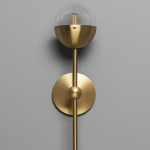
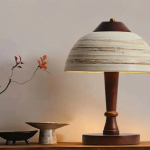
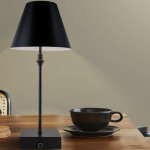


Looking for a reading lamp that won’t clutter your bedroom, but still offers great light? You’re in the right place. A minimalist reading lamp strips away the unnecessary, focusing on clean lines, simple forms, and effective illumination. It’s all about getting the job done without adding visual noise to your serene slumber space. Think elegant, understated, and perfectly functional.
Why Go Minimalist?
In a bedroom, less visual clutter often means more mental calm. A Kensulighting minimalist reading lamp contributes to this by not demanding attention. It integrates seamlessly into your decor, providing focused light for your late-night page-turner or journaling session without becoming a focal point. Plus, many minimalist designs are surprisingly versatile, fitting into a wide range of aesthetics from Scandinavian to industrial.
Before you even start looking at specific lamps, it’s helpful to think about what you actually need from a reading light. This isn’t just about brightness; it’s about comfort, adjustability, and how it fits into your personal space.
What Kind of Light Do You Prefer?
Some people like a warm, soft glow for reading, while others prefer a brighter, more natural daylight feel. This isn’t just aesthetic; it can impact eye strain.
- Color Temperature: Measured in Kelvin (K), this determines how warm or cool the light appears.
- Warm White (2700K-3000K): Similar to incandescent bulbs, it’s cozy and relaxing, great for winding down.
- Cool White/Daylight (4000K-5000K): Brighter and more invigorating, often preferred for tasks that require focus, but can be a bit harsh right before bed.
- Tunable White: Some modern lamps offer adjustable color temperature, letting you switch between warm and cool as needed. This is a fantastic feature for a reading lamp.
- Brightness (Lumens): Don’t get too hung up on watts – lumens are the actual measure of light output. For reading, you generally want something in the 200-500 lumen range, depending on how close the lamp is to your book and your personal preference.
Adjustability and Flexibility
A good reading lamp isn’t just a static light source; it should adapt to you.
- Dimming Capabilities: This is a big one. Being able to adjust the brightness is crucial for different times of day and different reading materials. Sometimes you need a bright spotlight, other times a soft glow.
- Directional Light: The whole point of a reading lamp is to illuminate your page, not the whole room or your sleeping partner’s face. Look for lamps with adjustable heads, flexible arms, or a focused beam.
- Reach: Consider where you’ll be reading. If it’s in bed, a lamp with a decent reach means you can position it just right without having to contort yourself.
Types of Minimalist Reading Lamps
Minimalism comes in several forms, each offering distinct advantages. The “best” type really depends on your bedroom layout and personal style.
Freestanding Floor Lamps
These are great for filling an empty corner or flanking a bed. They offer a significant design statement without being overly ornate.
- Space-Saving Bases: Look for thin, unobtrusive bases that slide easily under a bed or next to a nightstand without tripping hazards.
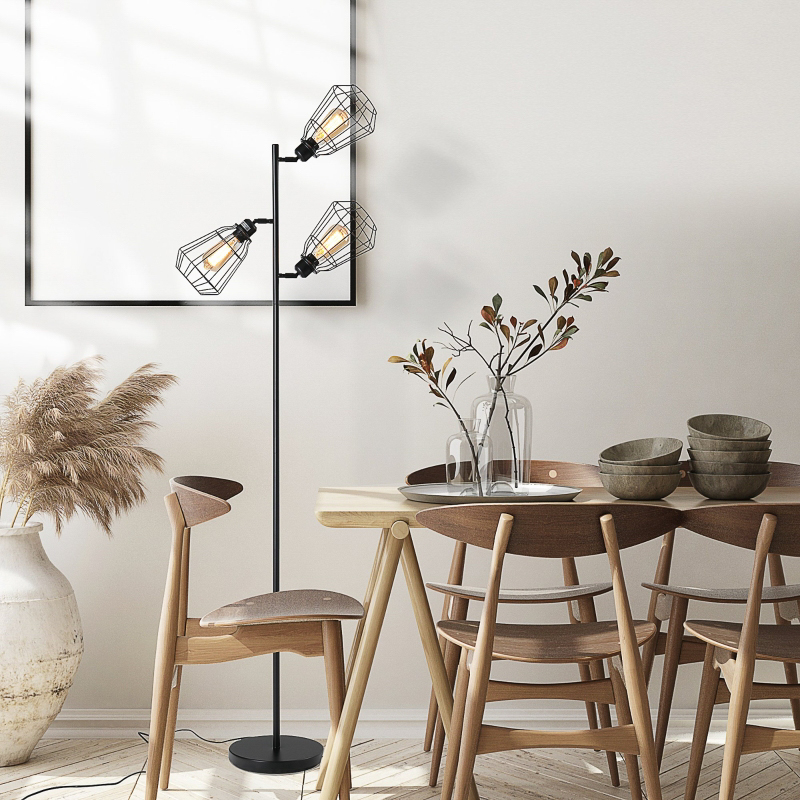
- Articulating Arms: A key feature here. The ability to pull the light head over your shoulder or directly onto your book is incredibly useful. Think slim, pivotable designs.
- Integrated Shelves or Tables: Some minimalist floor lamps cleverly incorporate a small, flat surface, perfect for a teacup or your phone, reducing the need for an extra nightstand. This is a practical minimalist win.
Wall-Mounted Lamps
If your nightstand is already crowded or you prefer a completely clear surface, a wall-mounted lamp is an excellent choice. They offer a sleek, built-in look.
- Swing Arm Designs: These are incredibly versatile. You can pull the light out over your book when reading and then push it back flat against the wall when not in use.
- Direct Wiring vs. Plug-In: Direct-wired options offer the cleanest look but require more installation. Plug-in models are easier to set up but mean you’ll have a visible cord, though many minimalist designs integrate cable management.
- Minimalist Bracketry: Look for simple, geometric brackets that blend into the wall rather than drawing attention to themselves.
Table Lamps
The classic choice, but minimalist table lamps eschew bulky bases and fussy shades for streamlined profiles.
- Compact Footprints: Essential for keeping your nightstand clear. Look for slim bases or designs with a very small surface area touching the table.
- Integrated Light Sources: Many minimalist table lamps use integrated LED arrays, meaning no bulky bulb housing. This allows for incredibly thin and unique designs.
- Simple Shapes: Cylinders, thin rectangles, or spheres are common. The focus is on the form itself, often in a single, consistent material.
Clip-On Lamps
For ultimate flexibility and an almost invisible presence when not in use, a clip-on lamp is hard to beat.
- Strong, Non-Damaging Clips: Key for attaching to a headboard, shelf, or even a book itself without leaving marks.
- Flexible Goosenecks: This allows you to precisely aim the light. Many goosenecks are styled in a minimalist fashion, often a thin, matte black or white.
- USB Power: Many clip-on lamps are USB powered, meaning you can plug them into a wall adapter or even a laptop, offering great portability.
Key Design Elements for a Minimalist Look
Minimalism isn’t just about absence; it’s about intentional design choices that create a sense of calm and clarity.
Material Matters
The materials used in a minimalist lamp are often as important as its shape.
- Matte Metals: Powder-coated steel or aluminum in black, white, gray, or brushed brass finishes are popular. They absorb light rather than reflecting it, contributing to a subdued aesthetic.
- Natural Woods: Light-colored woods like birch or maple, or dark woods like walnut, provide warmth and texture without busyness. They might appear in the base or as a subtle accent.
- Concrete or Ceramic: Less common but effective for adding an unexpected, grounded texture in a very simple form.
- Quality over Quantity: Minimalist pieces often emphasize the inherent beauty and durability of their materials.
Clean Lines and Simple Forms
This is arguably the most defining characteristic of minimalist design.
- Geometric Shapes: Circles, squares, and straight lines are dominant. Complexity is avoided.
- Uninterrupted Surfaces: Smooth, uncluttered surfaces, free of flourishes or embellishments.
- Hidden Mechanisms: Cords are often routed internally or are designed to be minimally visible. Switches might be touch-sensitive or integrated discreetly.
Color Palette
Minimalist often means a restrained color scheme.
- Monochromatic: Black, white, or various shades of gray are standard, allowing the form and function to take center stage.
- Earth Tones: Subtle greens, blues, or warm grays can introduce a hint of color without overwhelming the space.
- Subtle Accents: Sometimes a minimalist lamp might feature a small, deliberate pop of color, but it’s usually very contained.
Smart Features Worth Considering
Modern minimalist lamps don’t just look good; they often incorporate smart technology that enhances their functionality.
Touch Controls and Dimmers
Moving away from bulky switches, many minimalist lamps feature integrated touch controls.
- Intuitive Operation: A simple tap or swipe can turn the light on/off or adjust brightness.
- Seamless Integration: These controls are often built directly into the lamp’s body, maintaining a clean aesthetic.
USB Charging Ports
A truly practical addition for a bedroom lamp, especially if you want to keep your nightstand clutter-free.
- Decluttering: No need for extra wall adapters or power strips for your phone or e-reader.
- Thoughtful Placement: Look for ports that are subtle and easy to access but don’t disrupt the lamp’s design.
Wireless Charging Pads
Taking the USB port idea a step further, some lamps integrate wireless charging for compatible devices.
- Ultimate Convenience: Just place your phone on the lamp base, and it charges.
- Clean Look: Eliminates cables entirely, contributing to a truly minimalist setup.
Integrated LEDs
While not strictly a “smart” feature, integrated LEDs are integral to modern minimalist lamp design.
- Longevity: LEDs last significantly longer than traditional bulbs, meaning less fumbling with replacements.
- Energy Efficiency: They consume less power, which is good for your wallet and the environment.
- Design Freedom: Their small size allows designers to create incredibly slender and unique forms not possible with traditional bulbs.
- Heat Management: LEDs run cooler, which is a plus if the lamp is close to fabrics or skin.
Where to Place Your Lamp
The perfect lamp is only perfect if it’s in the right spot.
On the Nightstand
The most common placement, but often the most clutter-prone.
- Think Small: Choose a table lamp with a tiny footprint.
- Consider Verticality: A lamp with a slender vertical column can provide ample light without taking up much horizontal space.
Wall-Mounted Above the Bed
A sleek, space-saving option that frees up your nightstand entirely.
- Symmetry: Two matching sconces on either side of the bed create a balanced, high-end look.
- Targeted Light: Ensure the swing arm or head allows you to direct light precisely where you need it.
Freestanding Beside the Bed or Chair
Ideal for larger bedrooms or if you have a reading nook within the room.
- Slotted Under Furniture: Many minimalist floor lamps are designed to slip their base partially under a bed or chair, reducing their perceived footprint.
- Adjustable Height: Some floor lamps offer height adjustment, which can be useful if you read in different positions (e.g., sitting up versus reclining).
Troubleshooting Common Minimalist Lamp Issues
Even the cleanest designs can have practical quirks.
Cable Management
Cables are the enemy of minimalism.
- Integrated Channels: Many lamps have discreet channels or clips to guide the cord down a leg or arm.
- Cord Covers: For wall-mounted lamps, consider paintable cord covers for a truly seamless look.
- Smart Placement: Position outlets behind furniture whenever possible to minimize visible cabling.
Light Bleed
You want focused light for your book, not blinding your partner.
- Directional Shades: Look for shades or heads that fully enclose the light source and direct the beam downwards.
- Opaque Materials: Avoid translucent shades if light containment is a priority.
Stability
A lightweight, slender lamp needs to be stable.
- Weighted Bases: Many minimalist lamps achieve stability through heavy, compact bases.
- Wall Anchors: For taller or more precarious floor lamps, consider anchoring to the wall if it’s prone to tipping, especially in homes with kids or pets.
By considering these aspects – from light needs to design elements and smart features – you can find a minimalist reading lamp that not only looks fantastic but also enhances your bedtime reading ritual without adding unnecessary fuss to your sanctuary. It’s about thoughtful design meeting practical needs.