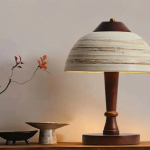
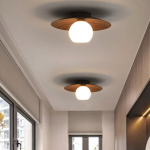


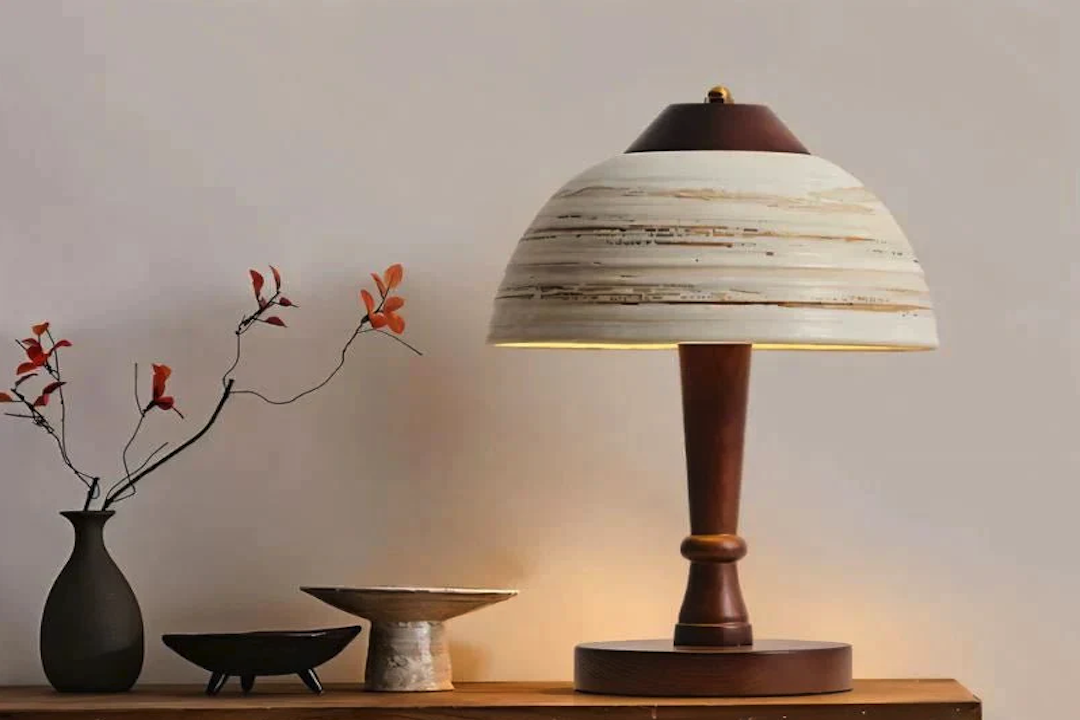
Thinking about adding a little something special to your living space? A sculptural ceramic table lamp might just be the answer to that “wow” factor you’re looking for. Beyond just providing light, these lamps are pieces of art that can totally transform a room. They bring in texture, shape, and a unique personality that standard lamps often lack. So, yes, a sculptural ceramic table lamp can absolutely elevate your home decor, turning an ordinary corner into a focal point.
Ceramic, as a material, has been around forever, but it’s seen a huge resurgence in home decor, especially in the form of lighting Nounhouse. What sets these lamps apart is their artistic intent. They aren’t just functional objects; they’re crafted with deliberate form and design in mind.
The Art of Form and Texture
When we talk about “sculptural,” we’re talking about the lamp having a distinct, often non-traditional, shape. Think more than just a simple cylinder or sphere. These lamps can feature:
- Organic, Flowing Lines: Inspired by nature, these lamps might mimic the curves of a wave, the twist of a vine, or the contours of a pebble. They bring a sense of movement and softness to a space.
- Geometric Boldness: On the other end of the spectrum, some sculptural lamps play with strong geometric shapes. Sharp angles, stacked forms, or intricate tessellations can create a modern and graphic statement.
- Textural Intrigue: Ceramic isn’t always smooth. It can be glazed in ways that create incredible texture. Think:
- Ribbed or Grooved Surfaces: These catch the light in interesting ways, adding depth and visual interest even when the lamp is off.
- Rough, Unglazed Finishes: These can offer a more earthy, tactile feel, reminiscent of natural stone or raw terracotta.
- Crackled Glazes: A classic technique that adds a vintage or artisanal charm, giving the lamp a sense of history.
The Versatility of Ceramic
Ceramic itself is a wonderfully versatile material. It can be molded, carved, and glazed to achieve an astonishing range of looks.
- Color Palette: From subtle, earthy neutrals to vibrant, statement-making hues, ceramic lamps come in almost any color imaginable. This allows them to either blend seamlessly with your existing decor or provide a bold pop of contrast.
- Durability: While it’s ceramic, it’s generally quite robust for indoor use. With proper care, a good quality ceramic lamp can last for years, becoming a long-term element in your decor.
- Weight and Stability: Ceramic lamps tend to have a good weight to them, making them stable and less likely to be knocked over, which is a practical bonus.
More Than Just a Light Source
It’s easy to think of a lamp solely as something to cast light. But a sculptural ceramic piece does so much more.
- A Statement Piece: In many cases, the lamp itself becomes the primary decorative element on a table, console, or nightstand. It draws the eye and sparks conversation.
- Adding Character: Unlike mass-produced pieces, many sculptural ceramic lamps have a handcrafted feel, even if they aren’t individually sculpted by a famous artist. This individuality brings character to a room.
- Focal Point Creation: Positioned strategically, a sculptural lamp can direct attention to a specific area, like a reading nook, a collection of artwork, or an entryway.
Where to Place Your Sculptural Ceramic Lamp for Maximum Impact
Figuring out where to put your new artistic lighting can be half the fun. It’s not just about plugging it in; it’s about integrating it into your existing space to enhance its overall appeal.
Entryway Elegance
The entryway is the first impression visitors have of your home. A sculptural ceramic lamp here can set a sophisticated tone right away.
- On a Console Table: A stylish console table in the foyer is a prime spot for a sculptural lamp. It illuminates the space and acts as a welcoming beacon. Choose a lamp that’s proportionate to the table – not so tall it blocks the view or feels precarious, and not so small it gets lost.
- Near the Door: If you don’t have a console, a sculptural lamp placed on a small side table or even a sturdy shelf near your front door can offer a warm greeting. It’s also practical for setting down keys or mail.
- Consider the Scale: For an entryway, you might lean towards a lamp with a bit more presence. Think about the height of the ceiling and the width of the entry. A taller, more substantial lamp can make a grander statement.
Living Room Layers
Your living room is often the heart of the home, a space for relaxation and entertaining. Sculptural lamps can add warmth, style, and function.
- On Side Tables: Flanking a sofa or armchair with two matching sculptural lamps creates a sense of balance and symmetry. Alternatively, a single statement lamp on one side table can draw attention and add an asymmetrical, artistic touch.
- On a Bookcase or Shelf: Rather than sitting in a dark corner, your books and decorative items can be enhanced by a sculptural lamp placed among them. It illuminates your collection and highlights interesting textures or colors.
- As Accent Lighting: A lamp on a a credenza or buffet can provide ambient light and showcase decorative objects. It’s especially effective if the lamp’s form complements other items on the surface.
Bedroom Ambiance
Bedrooms are personal sanctuaries. A sculptural ceramic lamp can add a touch of calm, sophistication, or even romance.
- On Nightstands: This is a classic placement. Opt for a lamp that provides soft, diffused light for reading before bed without being too harsh. The sculptural form can add a touch of artistry to your personal space.
- On a Dresser or Vanity: A beautifully shaped lamp can make getting ready a more pleasant experience. It adds a touch of glamour and can be a lovely piece to look at while you’re doing your makeup or styling your hair.
- In a Cozy Corner: If you have a reading chair or a small seating area in your bedroom, a sculptural lamp can define that space and make it feel even more inviting.
Dining Room Details
While often focused on chandeliers, dining rooms can benefit from the subtle elegance of a sculptural table lamp.
- On a Buffet or Sideboard: This is the most common placement. A lamp here can provide soft, ambient light for evening meals and create an inviting atmosphere. It also breaks up the expanse of a larger piece of furniture.
- As a Centerpiece (with caution): For very long dining tables, a sculptural lamp placed at the end of the table, on a sideboard behind the table, can work. Avoid placing a lamp directly in the center of a dining table as it can obstruct views and conversation.
Home Office Refinement
Even a functional space like a home office can be elevated by good design.
- On a Desk: Beyond task lighting, a sculptural lamp on your desk can be a source of inspiration. Choose a design that’s not too bulky and doesn’t cast distracting shadows.
- On a Filing Cabinet or Bookshelf: Just like in a living room, a lamp can make an office feel more comfortable and less sterile. It can highlight decorative items or offer a softer light source for when you’re not actively working at your desk.
Choosing the Right Sculptural Ceramic Lamp for Your Style
The world of sculptural ceramic lamps is vast. Finding the one that truly speaks to you and your home’s aesthetic is key. Think about your existing decor and what you want the lamp to contribute.
Modern & Minimalist Homes
For spaces that embrace clean lines and a pared-down aesthetic, look for lamps with:
- Geometric Forms: Sharp edges, stacked shapes, or simplified abstract designs.
- Matte Finishes: Smooth, non-reflective surfaces in neutral tones like white, black, grey, or muted earth tones.
- Subtle Textures: Perhaps a gentle ribbing or a very fine, almost imperceptible grain.
- Monochromatic Glazes: A single color that runs consistently across the entire form.
- Examples: Think of lamps that mimic architectural elements, balanced abstract shapes, or very smooth, sculptural objects that happen to be lamps.
Mid-Century Modern Vibes
This style often combines organic shapes with a touch of the unconventional.
- Globular or Teardrop Shapes: Soft, rounded forms are a hallmark.
- Earthy Tones: Terracotta, olive green, muted blues, and oranges.
- Textural Glazes: Crackled glazes or slight variations in color application can add to the vintage feel.
- Combination Materials: Sometimes, you’ll see ceramic paired with wood or metal accents.
- Examples: Lamps that look like stylized planets, vintage bowling pins, or abstract flower-like forms.
Bohemian & Eclectic Decor
If your style is more layered and personal, you have a lot more freedom.
- Unique, Artistic Forms: Embrace the unusual! Think of lamps that look like woven baskets, abstract figures, or even whimsical creatures.
- Vibrant Colors and Bold Patterns: Don’t shy away from bright blues, reds, yellows, or patterned glazes.
- Rich Textures: Rough, natural finishes, hand-painted details, or even faux-aged looks.
- Mix and Match: This is where you can pair a very ornate ceramic lamp with other eclectic pieces in your room.
- Examples: Lamps with intricate cutouts, hand-painted floral motifs, or unusual, asymmetrical silhouettes.
Traditional & Transitional Spaces
These styles benefit from elegance and a touch of classic design, but with a contemporary twist.
- Classic Silhouettes with a Sculptural Twist: Think of a classic urn shape but with a more pronounced base, a unique finial, or a subtly textured glaze.
- Sophisticated Color Palettes: Deep blues, emerald greens, rich creams, and muted grays are common.
- Refined Textures: Subtle crackle glazes, delicate etchings, or a smooth, polished finish.
- Paired with Elegant Shades: Often paired with linen, silk, or pleated fabric shades.
- Examples: Lamps that resemble antique pottery but with modern proportions, or those with elegant, flowing lines and a lustrous glaze.
Understanding Lamp Scale and Proportion
Once you’ve got a style in mind, the next crucial step is to get the scale of the lamp right for your furniture and space. A lamp that’s too big can overwhelm a small table, and one that’s too small can look lost.
Lamp Height Considerations
The general rule of thumb is that the bottom of the lampshade should be at or slightly above eye level when you’re seated.
- For Side Tables: If your side table is standard height (around 24-26 inches), a lamp with a total height of roughly 24-30 inches is often a good starting point.
- For Coffee Tables: Coffee tables are lower (around 16-18 inches). A taller lamp might actually work here to bring the light up to a more useful level.
- For Console Tables: Console tables can vary, but if it’s a taller one, you can accommodate a taller lamp.
- Visual Balance: Imagine sitting on your sofa. Does the lamp fill the visual space next to it appropriately? It shouldn’t dwarf the sofa or feel like an afterthought.
Lampshade Width
The width of the lampshade should generally be about twice the width of the lamp’s base.
- Proportion to the Base: If your lamp’s ceramic base is a wide, substantial piece, you’ll need a shade that’s proportionally wide to balance it. A narrow shade on a wide base looks awkward.
- Coverage: The shade should also extend slightly beyond the widest part of the lamp base to effectively hide the bulb and direct light downwards.
Consider the Tabletop
The surface the lamp sits on matters too.
- Table Size: A large, expansive tabletop can handle a more substantial lamp. A smaller, more delicate table needs a lamp with a smaller footprint and a more proportionate shade.
- Other Items on the Table: If you have other decorative items on the table, ensure the lamp doesn’t crowd them out.
- Weight of the Base: A heavy, sculptural ceramic base provides stability. If your table is lightweight, a very top-heavy lamp might be a concern.
Lighting Quality and Functionality
While the sculptural aspect is a huge draw, let’s not forget that it’s still a lamp! The quality of light it emits and its practical functionality are just as important.
Bulb Choice Matters
The type of bulb you use will significantly impact the mood and effectiveness of your lamp.
- Warm White vs. Cool White: For most living spaces and bedrooms, aim for warm white bulbs (around 2700K to 3000K). This creates a cozy and inviting atmosphere. Cool white can feel stark and is generally better suited for task lighting or specific office needs.
- Lumens (Brightness): For ambient lighting, you’ll want lower lumens. For reading, you might need a bulb with more lumens. Many LED bulbs offer adjustable brightness or come in various lumen outputs.
- Dimmer Switches: If your lamp has a dimmer switch, you have a lot of flexibility. You can go from bright reading light to a soft glow for background ambiance. Ensure your bulb is compatible with dimmers if you plan to use one.
- LEDs are Your Friend: They are energy-efficient, long-lasting, and come in a huge variety of color temperatures and brightness levels.
The Role of the Lampshade
The lampshade is more than just a cover; it’s a crucial part of the lighting experience.
- Material and Opacity:
- Opaque Shades (Linen, Fabric): These direct light downwards and upwards, creating a more focused glow. They essentially diffuse the light source, making it softer.
- Translucent Shades (Parchment, Frosted Glass): These allow more light to escape through the sides, providing a more ambient and spread-out illumination.
- Open Shades (Metal Grids, Cutouts): These create interesting patterns of light and shadow on your walls and ceiling.
- Color of the Shade: A white or cream shade will reflect light most effectively, creating a brighter overall output. Darker or colored shades will absorb more light, creating a more subdued effect.
- Shape of the Shade: While the lamp base is sculptural, the shade often provides more conventional diffusion. Drum shades, tapered shades, and empire shades are common and tend to cast light effectively. Consider how the shade’s shape complements the ceramic base.
Practicalities to Keep in Mind
Beyond aesthetics and light quality, there are a few practical points to consider.
- Cord Management: Where will the cord go? Is there a discreet way to route it to the outlet? Some lamps have longer cords or features to help with this.
- Switch Location: Is the switch conveniently located on the cord, the base, or the socket? Consider what’s easiest for you to reach.
- Cleaning and Maintenance: Ceramic can generally be wiped down with a damp cloth. Be mindful of delicate glazes or intricate details that might require extra care. Lampshades will also need occasional dusting.
- Bulb Access: Is it easy to unscrew the bulb when it needs replacing?
Where to Find These Artistic Treasures
Sculptural ceramic table lamps aren’t typically found in every big-box home goods store. Their unique nature often means they come from more specialized sources.
Specialty Lighting Stores
These stores are dedicated to all things lighting and often carry a curated selection of designer and artisanal lamps.
- Knowledgeable Staff: The employees at these stores are usually well-versed in lighting trends and can offer expert advice.
- Wider Selection: You’ll find more unique and higher-quality options here than in general home decor stores.
- Opportunity to See in Person: It’s always best to see a lamp in person to get a true sense of its size, texture, and color.
Online Retailers (Curated Platforms)
While online shopping can be convenient, it’s best to stick to platforms that focus on quality and design.
- Design-Focused E-commerce Sites: Websites that specialize in home decor, from smaller boutiques to larger curated galleries, often feature sculptural ceramic lamps from independent designers and brands.
- Read Reviews Carefully: Pay close attention to customer reviews regarding quality, color accuracy, and shipping.
- Check Return Policies: Since you can’t see the lamp in person, a good return policy is essential for peace of mind.
Artisan Markets and Galleries
For truly unique, handcrafted pieces, exploring local art fairs, craft markets, and ceramics galleries is a fantastic option.
- Direct from the Maker: You might be able to connect directly with the artist, learn about their process, and even commission a custom piece.
- One-of-a-Kind Items: These are your best bet for finding something truly unique that no one else will have.
- Support Local Artists: It’s a great way to support independent creators in your community.
Vintage and Antique Shops
You can sometimes stumble upon incredible sculptural ceramic lamps in vintage and antique stores.
- Unique History: These pieces often come with a story and a patina that new items can’t replicate.
- Hidden Gems: It requires patience and a good eye, but the rewards can be immense.
- Potential for Restoration: Some vintage lamps might need a new cord or a minor repair, but this can be a rewarding DIY project or a simple fix by a professional.
Designer Showrooms
If you’re working with an interior designer, they will likely have access to high-end designer showrooms that feature these types of statement lamps.
Ultimately, a sculptural ceramic table lamp is an investment in both light and art. It’s a piece that can bring personality, sophistication, and a touch of the unexpected into your home, proving that functional items can indeed be beautiful masterpieces.