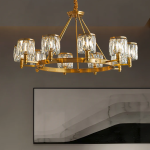


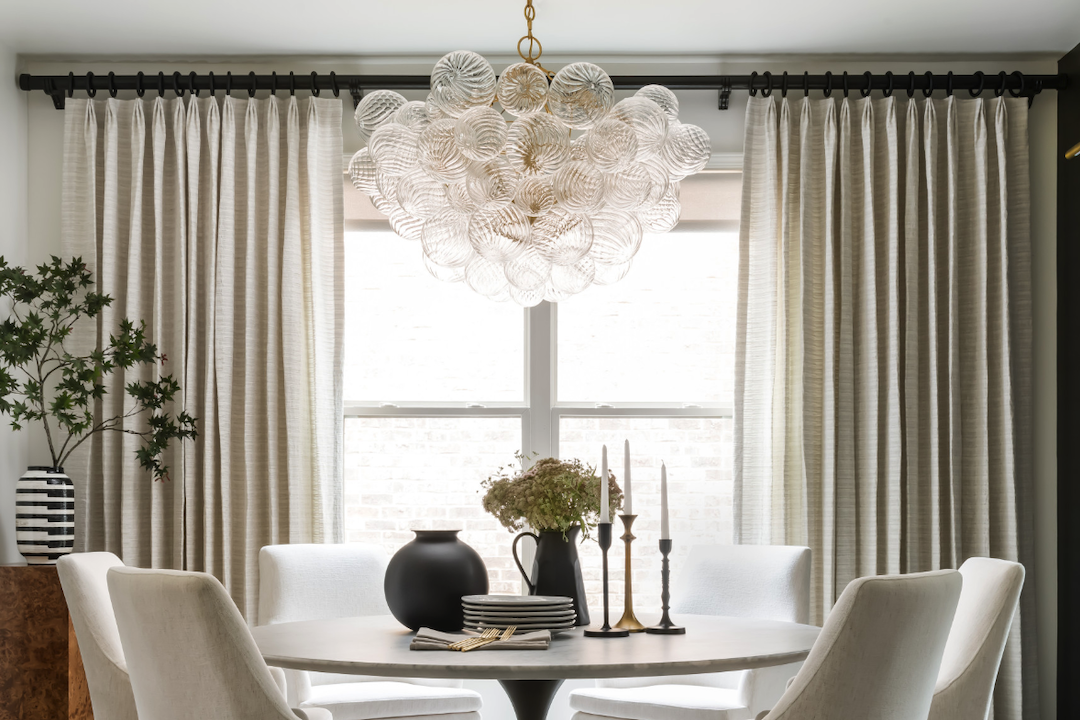
The chandelier: it’s an iconic fixture, especially in the dining room. But what makes a dining room chandelier the perfect centerpiece? It’s a balance of size, style, and light that elevates the whole space. Think of it as the jewelry for your dining area, drawing all eyes and setting the mood for every meal, from casual weeknight dinners to grand celebrations.
This is probably the most crucial step. A chandelier Lappinlighting that’s too small will get lost and look a bit sad, while one that’s too large can overwhelm the room and feel claustrophobic. Getting the size right is key to making it a true focal point, not a distraction.
The Formula for the Perfect Diameter
There’s a simple guideline that helps immensely. Measure the length and width of your dining room in feet. Add those two numbers together. The resulting number is a good starting point for the ideal chandelier diameter in inches.
- Example: If your dining room is 12 feet by 15 feet, then 12 + 15 = 27. A chandelier with a diameter of approximately 27 inches would likely be a good fit.
Considering Table Size
Your dining table is the other major piece of furniture in the room, so the chandelier needs to relate to it.
Over a Rectangular Table
For rectangular tables, the general rule is that the chandelier’s length should be about two-thirds the length of the table. This creates a visually pleasing proportion.
Over a Round Table
With round tables, focus on the diameter. The chandelier’s diameter should be roughly half to two-thirds the diameter of your table.
Hanging Height Matters
This isn’t just about aesthetics; it’s also about practicality. You don’t want people bumping their heads, and you want the light to illuminate the table effectively.
Clear the Walkway
There should be at least 7 feet of clearance from the floor to the bottom of the chandelier over pathways and at the edges of the table. This ensures comfortable movement around the dining area.
Illuminating the Table
For optimal dining table illumination, the bottom of the chandelier should hang 30 to 36 inches above the table surface. This provides focused light without being too harsh.
Material Choices: Texture, Tone, and Durability
The materials a chandelier is made from contribute significantly to its overall look and feel, as well as its longevity. Different materials lend themselves to different styles and can add specific textures to your décor.
Metal Finishes: The Modern Staples
Metals are incredibly versatile and form the backbone of many chandelier designs. The finish you choose can dramatically alter the chandelier’s impact.
Polished Nickel and Chrome: Sleek and Cool
These finishes offer a bright, reflective surface that’s perfect for contemporary or transitional spaces. They’re cool in tone and can make a room feel larger and more modern.
- Pros: Reflects light well, modern feel, generally durable.
- Cons: Can show fingerprints easily, might feel too stark in warmer décor schemes.
Brushed Nickel and Stainless Steel: Subtle Sophistication
A softer, less reflective option than polished finishes, brushed nickel and stainless steel offer a contemporary yet understated elegance. They work well with a variety of color palettes.
- Pros: Fingerprint resistant, versatile, modern but not cold.
- Cons: Can sometimes look a bit utilitarian if not paired with other sophisticated elements.
Brass and Gold Tones: Warmth and Opulence
From antique brass to polished gold, these finishes bring warmth and a touch of luxury. They can range from subtle and classic to bold and glamorous, depending on the specific tone and finish.
- Pros: Adds warmth and richness, timeless appeal.
- Cons: Can sometimes feel traditional or even gaudy if the design isn’t well-chosen.
Black and Bronze: Dramatic or Earthy
Black offers a bold, graphic statement, while bronze can bring an earthy, vintage feel. These darker finishes are excellent for grounding a space or adding a touch of drama.
- Pros: Adds depth, can be very dramatic or subtly grounding.
- Cons: Can absorb light if the design isn’t open, might make a room feel smaller if overused.
Glass and Crystal: Sparkle and Shine
Glass and crystal are often associated with chandeliers, and for good reason. They capture and refract light, adding a dynamic sparkle.
Hand-Blown Glass: Artisanal Appeal
Each piece of hand-blown glass is unique, offering a slightly irregular surface and a soft, organic feel. This adds a bespoke, artisanal touch to a chandelier.
- Pros: Unique character, artisanal quality, soft light diffusion.
- Cons: Can be more delicate, might be challenging to find matching replacement parts.
Clear Crystal: Uncompromising Brilliance
When you think of classic chandeliers, you often picture clear crystal. It offers unparalleled sparkle and refracts light in a way that can make a room feel incredibly bright and festive.
- Pros: Maximum sparkle, brightens the room, classic luxury.
- Cons: Can be more expensive, requires regular cleaning to maintain its shine, can be very reflective which might not suit all tastes.
Colored Glass: A Pop of Personality
For those who want something a bit more unique, colored glass can add a vibrant or subtle hue to the lighting. Think of soft blues, amber tones, or even richer jewel tones.
- Pros: Adds a unique color element, can tie into a room’s palette.
- Cons: Color can affect the light’s temperature, might be less versatile if your décor changes.
Other Materials: Wood, Fabric, and Beyond
Don’t limit yourself solely to metal and glass. Other materials can bring interesting textures and styles.
Natural Wood Accents: Organic Charm
Incorporating wood elements can bring an organic, earthy feel to a chandelier. This is perfect for rustic, farmhouse, or even modern Scandinavian-inspired spaces.
- Pros: Adds natural warmth and texture, can soften a space.
- Cons: Can be susceptible to moisture or temperature changes, might require specific care.
Fabric Shades: Softened Light
While less common for dining rooms (as they can be harder to clean and less dramatic), some larger chandeliers might incorporate fabric elements or shades for a softer, more diffused light.
- Pros: Can create very gentle, diffused lighting.
- Cons: Can trap dust and odors, less common in modern dining fixtures.
Style Guides: Matching Your Chandelier to Your Room’s Vibe
The chandelier should be an extension of your dining room’s overall style. It’s not just about hanging a light; it’s about curating an atmosphere.
Traditional Elegance: Classic Chandelier Designs
These are the chandeliers you see in historical homes or formal dining rooms. They often feature intricate details, multiple tiers, and plenty of crystal or decorative glass.
The Empire/Chandelier Style
Characterized by cascading crystals, multiple arms, and a sense of opulence, these are timeless showstoppers. They work best in rooms with higher ceilings and more traditional décor.
- Key Features: Elaborate crystal prisms, metal framework (often brass or bronze), multiple light sources.
- Best For: Formal dining rooms, rooms with high ceilings, classical interior design.
The Candle-Style Chandelier
Mimicking the look of real candles, these chandeliers have arms that extend outwards, each topped with a bulb designed to look like a flame. They offer a rustic or historical charm.
- Key Features: Arms extending outwards, candle-shaped bulbs, often with a faux drip wax effect.
- Best For: Farmhouse, rustic, or traditional settings; can add warmth to a slightly more casual dining space.
Modern and Contemporary: Clean Lines and Bold Statements
Modern chandeliers often prioritize simplicity, geometric shapes, and innovative designs. They can be minimalist or make a striking artistic statement.
Geometric Fixtures
Think clean lines, cubes, spheres, or abstract arrangements of metal and glass. These chandeliers are design-forward and often serve as sculptural elements in a room.
- Key Features: Angular shapes, minimalist design, often single-color metal finishes.
- Best For: Contemporary, minimalist, or industrial interiors; can be a great contrast to softer furnishings.
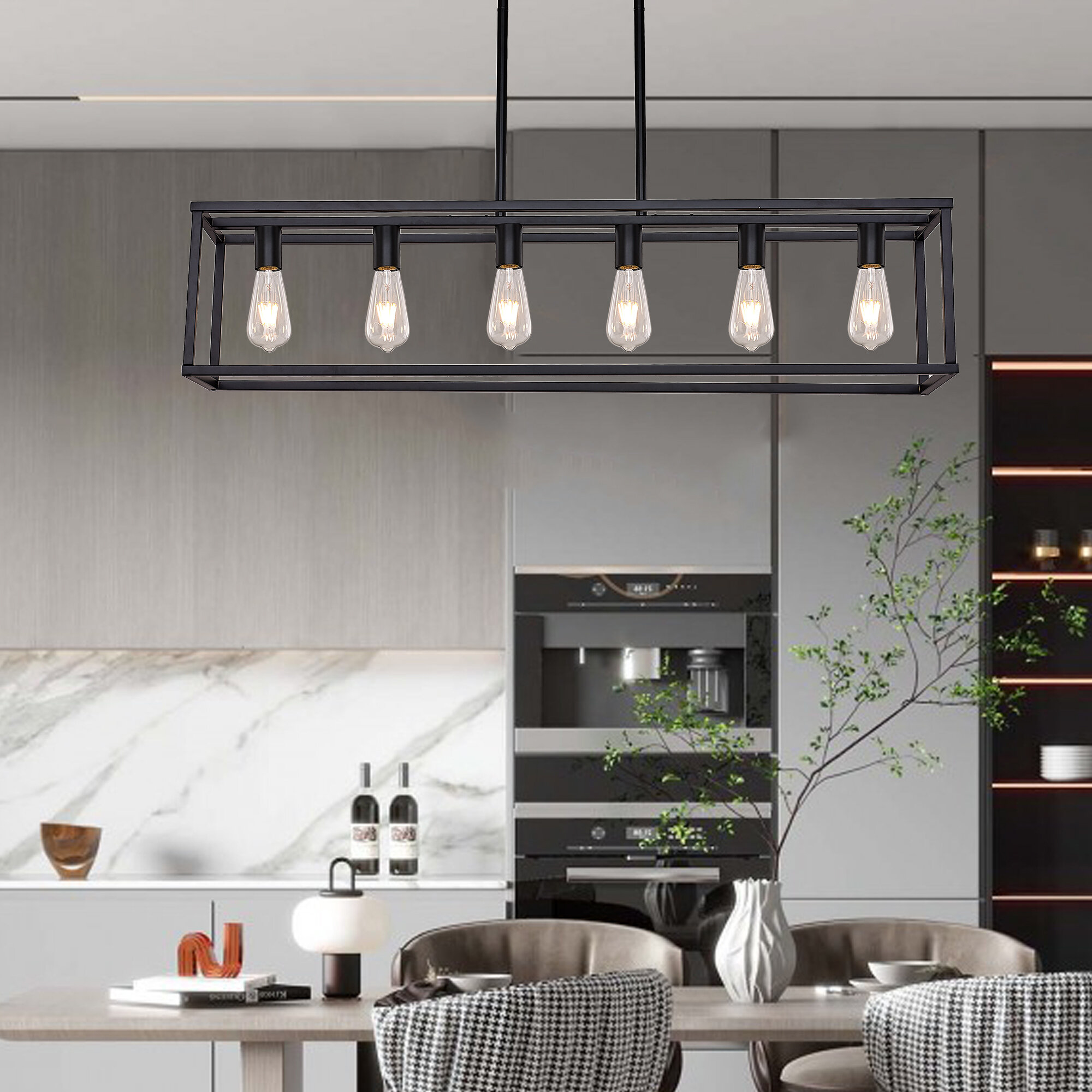
Linear Chandeliers
These are linear in design, often suspended over a rectangular dining table. They offer a sleek, modern look and can provide excellent task lighting throughout the length of the table.
- Key Features: Long, horizontal design, often with multiple light sources or a single diffused bar of light.
- Best For: Modern dining rooms, over rectangular tables, providing balanced illumination for the entire table.
Transitional Styles: The Best of Both Worlds
Transitional design blends elements of traditional and contemporary styles, creating a look that is both timeless and current. Transitional chandeliers offer versatility.
Simpler Silhouettes with Classic Materials
These chandeliers might feature a more streamlined shape than a traditional one but still incorporate elements like crystal accents or refined metal finishes.
- Key Features: Balanced use of traditional materials (like polished nickel or crystal) and cleaner, less ornate lines.
- Best For: Rooms that mix traditional and modern furniture, creating a bridge between styles.
Orb and Drum Chandeliers
Spherical or drum-shaped chandeliers, especially those with clean metal frames and simple glass or fabric diffusers, often fall into the transitional category. They offer a soft glow and a refined look.
- Key Features: Cylindrical or spherical shapes, often with frosted or seeded glass, or simple fabric shades.
- Best For: Versatile for most dining rooms, offering a soft, ambient light.
Lighting Quality: Beyond Just Illumination
A chandelier does more than just light up a room; it sets the mood. The type of light it emits can dramatically change the atmosphere of your dining space.
Brightness and Dimmers: Controlling the Mood
You don’t want the same level of light for a family dinner as you do for a romantic anniversary meal. Dimmers are your best friend here.
The Importance of Dimmable Bulbs
Investing in dimmable bulbs, along with a dimmer switch, is crucial for creating flexibility. You can dial up the brightness for tasks or celebrations, and dial it down for intimate evenings.
- Functionality: Allows for adjustable light levels, catering to different occasions and preferences.
- Recommendation: Ensure your chandelier’s wiring and the bulbs you choose are compatible with dimmers.
Light Temperature: Warm vs. Cool Tones
The color of the light emitted from your bulbs (measured in Kelvin) can significantly impact the perceived atmosphere of your dining room.
Warm White (2700K-3000K): Cozy and Inviting
This is the most common and generally preferred light temperature for dining rooms. It mimics candlelight or incandescent bulbs, creating a warm, inviting, and cozy ambiance.
- Effect: Makes food look more appetizing, promotes relaxation and conversation.
- Look: Soft, yellow-toned light.
Neutral White (3500K-4000K): Balanced and Clear
This temperature is a good middle ground, offering a clean, clear light without being too stark or too yellow. It’s great for rooms where you might also do some work or need clearer visibility.
- Effect: Provides good clarity without feeling sterile, can be good for more multi-purpose dining areas.
- Look: White light with very little yellow or blue tint.
Cool White/Daylight (5000K+): Bright and Crisp
While great for task lighting in kitchens or offices, cool white is generally too stark and artificial for a dining room where ambiance is key. It can make food and skin tones appear less appealing.
- Effect: Can feel clinical and uninviting in a dining setting.
- Look: Blue-toned light.
Bulb Types: Efficiency and Aesthetics
The type of bulb you use impacts energy consumption, heat output, and the overall quality of light.
LED Bulbs: The modern standard
LEDs have become the go-to for most lighting applications due to their energy efficiency, long lifespan, and versatility in terms of color temperature and dimmability.
- Pros: Highly energy-efficient, long-lasting, wide range of color temperatures, low heat output.
- Cons: Initial cost can be higher than some other types, quality can vary between brands.
Halogen Bulbs: Warm and Bright (Less Common Now)
Halogen bulbs offer a bright, warm light that’s very similar to incandescent bulbs but are more energy-efficient. However, they generate more heat and have a shorter lifespan than LEDs.
- Pros: Excellent light quality, warm tone.
- Cons: Less energy-efficient than LEDs, generate more heat, shorter lifespan.
Incandescent Bulbs: The Classic (Being Phased Out)
While they produce a beautiful, warm light, incandescent bulbs are being phased out due to their low energy efficiency and shorter lifespan. You might still find them in some decorative fixtures or specific styles.
- Pros: Beautiful warm light quality.
- Cons: Very inefficient, short lifespan, being discontinued in many regions.
Installation and Maintenance: Keeping Your Centerpiece Shining
Once you’ve chosen the perfect chandelier, proper installation and ongoing care are essential to ensure it remains a beautiful and functional centerpiece for years to come.
Professional Installation: When to Call the Experts
Chandeliers can be heavy and involve electrical wiring, which can be dangerous if not handled correctly.
Electrical Safety
If you’re not comfortable working with electrical wiring or are dealing with a particularly heavy or complex fixture, it’s always best to hire a qualified electrician.
- Risk Mitigation: Avoids potential shocks, incorrect wiring, and damage to the fixture or your home.
- Peace of Mind: Knowing it’s installed correctly allows you to relax and enjoy your new centerpiece.
Ceiling Support Assessment
Ensure your ceiling can adequately support the weight of the chandelier. Larger, more ornate fixtures can be quite heavy.
- Structural Integrity: An electrician or a handy individual can assess your ceiling joists and install appropriate bracing if needed.
- Preventing Damage: Prevents your ceiling from sagging or being damaged by an improperly supported fixture.
Regular Cleaning: Preserving the Sparkle
Dust and grime can dull the shine of even the most elegant chandelier. Regular cleaning is key.
Dusting: The First Line of Defense
For everyday maintenance, a soft, dry microfiber cloth is your best friend. Gently dust all surfaces, paying attention to intricate details.
- Frequency: Weekly or bi-weekly, depending on your home’s dust levels.
- Technique: Work from top to bottom to catch falling dust.
Deeper Cleaning: For Crystal and Metal
When dusting isn’t enough, a more thorough cleaning is needed. For crystal, a specialized solution or a mixture of distilled water and isopropyl alcohol (in a spray bottle) can be effective.
- Crystal Care: Avoid harsh chemicals that can damage the coatings or lead content in crystal. Always test in an inconspicuous area first.
- Metal Finishes: Use appropriate cleaners for the specific metal finish to avoid discoloration or damage. For example, brass polish for brass.
- Safety First: With any electrical fixture, ensure the power is switched OFF at the breaker before cleaning.
Bulb Replacement: Staying Lit
When bulbs burn out, replacing them is straightforward for most fixtures.
- Compatibility: Always use bulbs that match the wattage and type recommended for your fixture to prevent overheating or damage.
- Reach: Consider the height of your chandelier. A sturdy ladder and a helper might be necessary.
By considering these practical aspects of installation and maintenance, you ensure your chosen centerpiece will continue to enhance your dining room’s beauty and functionality for a long time.