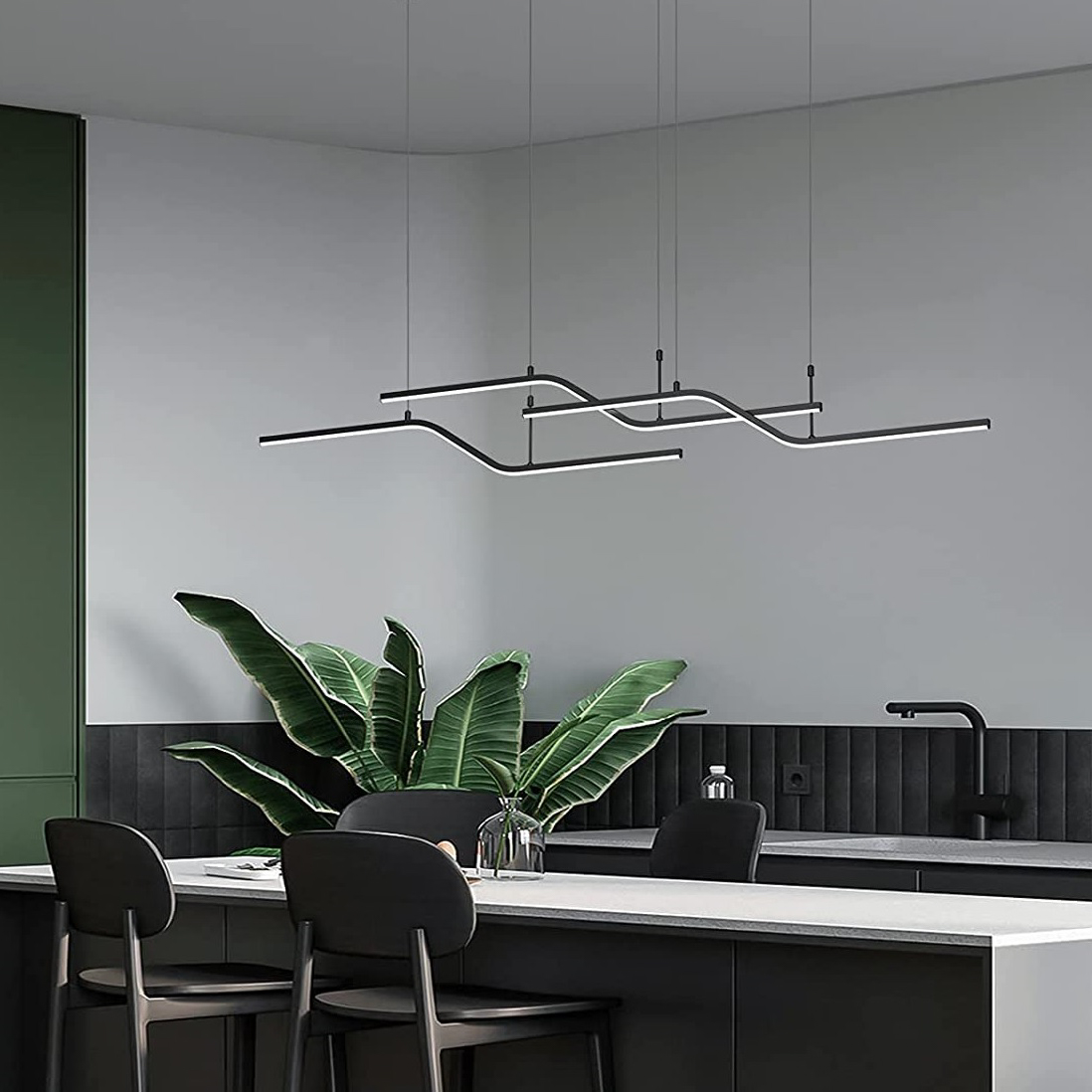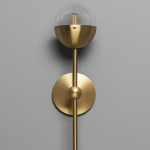
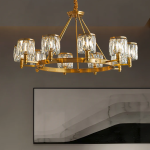


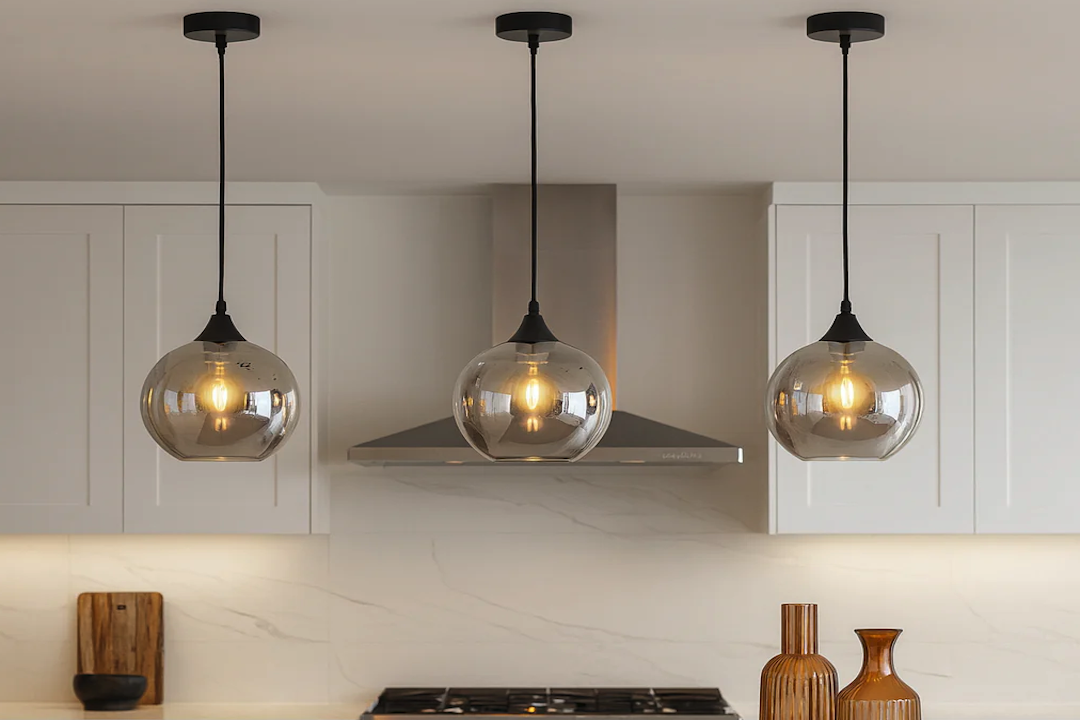
Finding the right lighting for your kitchen island can make a real difference, and modern glass pendant lights often hit the mark. They offer a good blend of practicality and style, providing focused light where you need it while adding a touch of contemporary design to your space.
Glass pendant lights Lappinlighting are a popular choice for kitchen islands for a few straightforward reasons. They don’t just look good; they’re also quite functional.
Practical Illumination
A key benefit of glass pendants is their ability to cast a functional light. Unlike some other fixtures that diffuse light broadly, pendants direct it downward, which is ideal for tasks like food preparation or reading recipes on your island.
Visual Lightness
One common concern with pendant lighting, especially in kitchens, is that too many fixtures can make the space feel cluttered or heavy. Glass, being transparent, helps mitigate this. It allows light to pass through, reducing the visual impact of the fixture itself. This is particularly useful in smaller kitchens or those with lower ceilings, where heavy fixtures can feel imposing.
Design Versatility
Modern glass pendants come in a surprisingly wide array of designs. From simple, understated globes to more intricate geometric shapes, there’s usually a style that can complement various kitchen aesthetics. This versatility means you can find something that fits your overall kitchen design without it feeling out of place.
Choosing the Right Size and Quantity
Getting the scale right is crucial when picking pendant lights for your kitchen island. Too small, and they’ll look lost; too large, and they’ll overwhelm the space.
Island Dimensions Matter
The size of your island dictates a lot. A long, narrow island will likely benefit from multiple smaller pendants, while a wider, squarer island might suit a couple of larger ones. A good rule of thumb is to allow for about 12-18 inches of clearance from the edge of the island on either side of the pendant grouping.
The Pendant’s Proportion
Consider the dimensions of the pendant itself. A very wide pendant might only work as a single statement piece, whereas slimmer designs are often grouped in threes or fours. Think about how the light fixture will visually occupy the space above your island, both when illuminated and when off.
Quantity Considerations
For most kitchen islands, two or three pendants are a common choice. This provides good light distribution and a balanced look. However, very long islands might benefit from four or even more, while very short islands might only need one larger pendant. The goal is to create even illumination across the island surface without creating dark spots.
Types of Glass and Their Effects
The type of glass used in a pendant light significantly influences both its appearance and how it diffuses light. It’s not just about aesthetics; it also affects the quality of light.
Clear Glass for Maximum Brightness
Clear glass is straightforward. It allows the maximum amount of light to pass through, providing bright, unobstructed illumination. This is a good choice if you need strong task lighting for your island. The downside is that the bulb itself is fully visible, so you’ll want to choose an attractive bulb, such as an Edison style, to avoid a stark or industrial look.
Frosted or Opal Glass for Soft Diffusion
Frosted or opal glass diffuses light, creating a softer, more ambient glow. This is ideal if you’re looking to reduce glare and create a more inviting atmosphere. While it provides less direct task lighting than clear glass, it can still be effective when paired with other kitchen lighting. The bulb is largely obscured, so the bulb’s appearance is less critical here.
Ribbed or Textured Glass for Visual Interest
Textured or ribbed glass adds a subtle layer of visual interest without overly complicating the design. The texture can create interesting light patterns on the surface below or on nearby walls, adding a unique touch. This type of glass often provides a level of diffusion somewhere between clear and frosted, depending on the intensity of the texture.
Smoked or Tinted Glass for Atmosphere
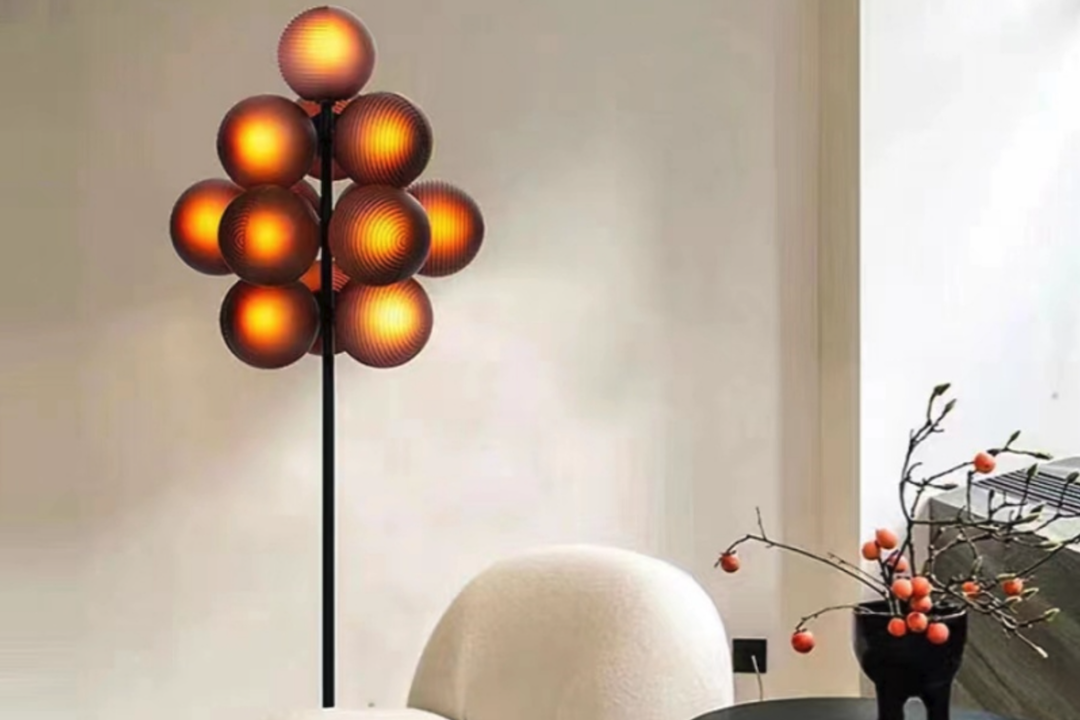
Smoked or tinted glass introduces a different aesthetic. It can add a touch of drama or sophistication, depending on the color and density of the tint. Keep in mind that tinted glass will reduce the overall light output and change the color temperature of the light emitted. This is better suited for islands where strong task lighting isn’t the primary concern, and you’re aiming for a more mood-driven ambiance.
Installation and Height Guidelines
Proper installation and height adjustment are crucial for both the functionality and aesthetics of your pendant lights. Get this wrong, and even the most beautiful pendants won’t look or work their best.
Proper Wiring and Support
Before you even think about hanging, ensure your electrical wiring is correct and that the junction box in your ceiling can safely support the weight of the chosen pendants. If you’re unsure, it’s always best to consult a certified electrician. Modern pendants can vary in weight, and you don’t want any surprises after installation.
The 30-36 Inch Rule of Thumb
A common guideline is to hang the bottom of the pendant light 30 to 36 inches above the surface of your kitchen island. This range generally prevents the light from blocking views across the island or creating glare while still providing effective task lighting.
Considering Eye Level
It’s also helpful to stand in your normal position at the island and visualize where the pendants will hang. You want to avoid them being directly in your line of sight when you’re working or conversing across the island. The 30-36 inch rule usually helps with this, but individual height and island use should be factored in.
Ceiling Height Adjustments
If your kitchen has very high ceilings, you might need to adjust the suspension length accordingly to bring the pendants down to an appropriate height over the island. Conversely, for lower ceilings, you’ll want to ensure the pendants don’t hang too low and create an oppressive feel. Many modern pendants come with adjustable cords or rods, making this easier to fine-tune once installed.
Integrating Pendant Lights with Overall Kitchen Lighting
Pendant lights for your island are rarely the only source of light in a kitchen. They need to work well with your other lighting layers to create a balanced, functional, and inviting space.
Layering Light is Key
Think of your kitchen lighting in layers: ambient, task, and accent. Your pendants primarily serve as task lighting for the island, but depending on the glass type, they can also contribute to ambient light.
Ambient Lighting Support
Recessed can lights, ceiling-mounted fixtures, or even under-cabinet lighting often provide the main ambient light in a kitchen. Ensure that your pendant lights don’t create significant dark spots or compete too strongly with these broader light sources. The goal is a cohesive feel.
Under-Cabinet Lighting Synergy
If you have under-cabinet lighting, consider how it will interact with the light from your pendants. Together, they can offer excellent task lighting across all your work surfaces. The color temperature of all your lights should ideally be similar to avoid a disjointed look. For instance, if your flush-mounts are a warm white, your pendants should generally follow suit.
Dimmer Switches for Versatility
Installing dimmer switches for your pendant lights is highly recommended. This allows you to adjust the brightness based on the activity. You can have them bright for food prep and dim them down for casual dining or entertaining, instantly changing the mood of the kitchen. This versatility makes your lighting much more functional and enjoyable.