

So, you’re looking to pick the perfect chandelier for your dining table, huh? It’s a big decision! This isn’t just about adding light; it’s about setting the mood, making a statement, and ensuring your centerpiece truly shines. The good news is, it’s totally achievable without needing a degree in interior design. Let’s break it down into simple steps so you can get this right.
This is probably the most crucial step, and often where people go wrong. A chandelier that’s too big can feel overwhelming, while one that’s too small can get lost and look a bit sad. We want a balanced look that complements your table, not competes with it.
The “Rule of Thumb” for Diameter
There’s a handy little calculation that most designers use. Measure the length and width of your dining table in feet. Add those two numbers together. The resulting number is a good starting point for the ideal diameter of your chandelier in inches. So, if your table is 6 feet long and 3 feet wide, 6 + 3 = 9. That suggests a chandelier around 9 inches in diameter. Now, this is just a guideline, but it’s a really solid one to begin with.
Considering Table Shape
The shape of your table plays a role too.
Rectangular Tables
For rectangular tables, a rectangular or oval chandelier often works best. It mirrors the shape of the table and creates a sense of harmony. If you’re going with a round or square chandelier, you might need to go slightly Uselu larger to maintain visual balance.
Round or Oval Tables
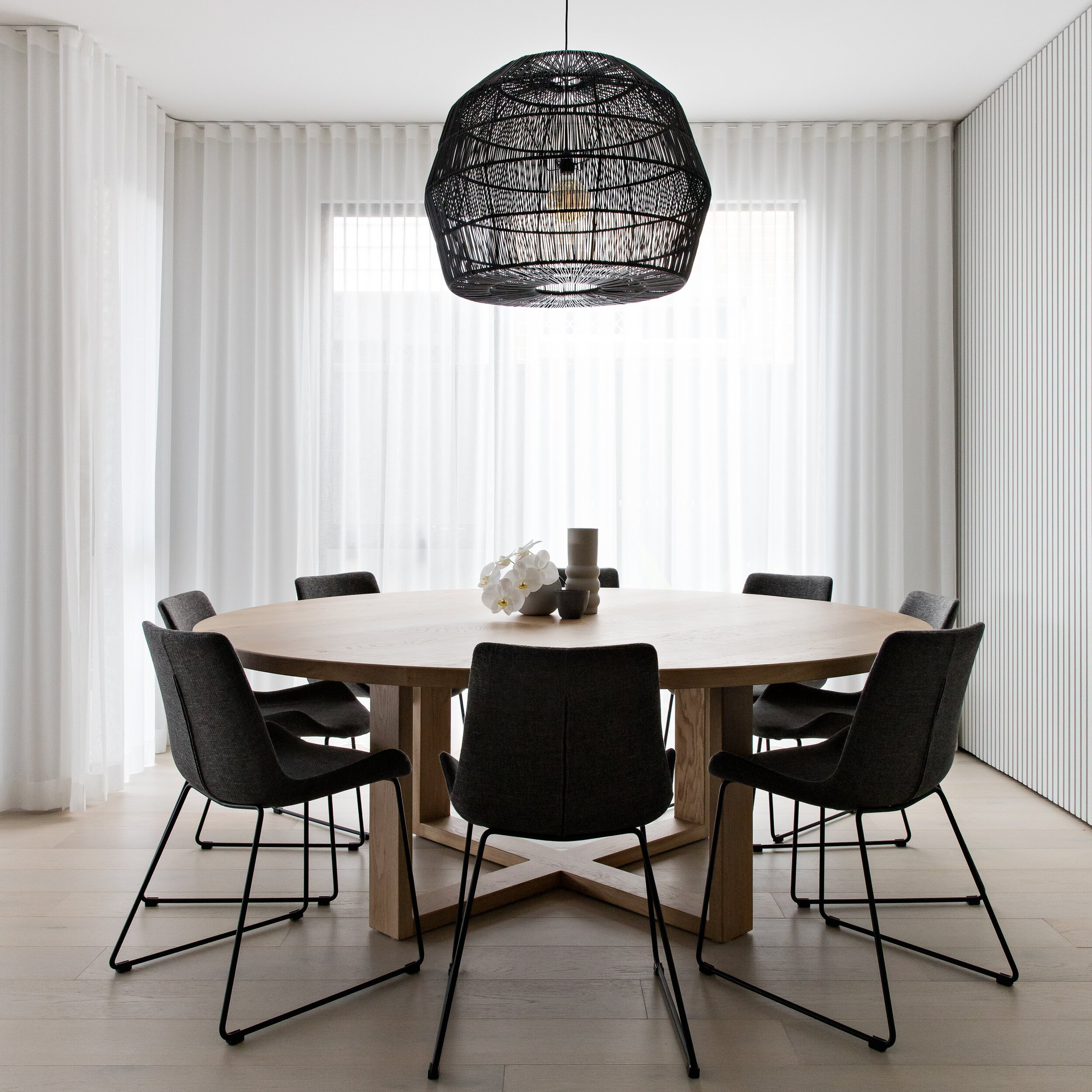
Round or oval tables generally pair well with round or cascading chandeliers. They maintain the sense of symmetry. You can also get away with a slightly more sculptural or uniquely shaped chandelier here, as the table’s shape is less restrictive.
Height and Clearance: Avoiding Head-Bangs and Eye-Sores
This is where practical concerns kick in. You don’t want guests ducking every time they reach for the salt, and you certainly don’t want to be staring directly into bright bulbs.
The Golden Rule of Clearance
Generally, you want the bottom of your chandelier to hang at least 30 to 36 inches above the surface of your dining table. This provides ample clearance for people to move around comfortably.
Ceiling Height Considerations
Your ceiling height is a major factor.
Standard Ceilings (8-9 feet)
For standard ceiling heights, the diameter rule (length + width in feet = diameter in inches) is usually sufficient. You’ll likely want a chandelier that’s not too deep or voluminous.
High Ceilings (10+ feet)
With higher ceilings, you have more freedom. You can opt for a larger diameter chandelier, and one that has a greater drop or height. Ensure you’re still adhering to the 30-36 inch rule above the table, which will naturally allow for a more substantial fixture. Remember, you can often adjust the chain or mounting hardware to fine-tune the height.
Scale Relative to the Room
Beyond just the table, think about the overall room.
Small Dining Rooms
In a smaller dining room, a massive chandelier can overwhelm the space. Stick to a more modest size that feels proportionate to the room’s footprint.
Large Dining Rooms
Conversely, a tiny chandelier in a grand dining room can look a bit lost. Embrace a more substantial fixture that commands attention and fills the space appropriately.
Style Synergy: Matching Your Chandelier to Your Decor
This is where the fun really begins! The chandelier is a significant decorative element, so it should complement, rather than clash with, your existing style.
Modern and Minimalist
If your space is clean, sleek, and uncluttered, you’ll want a chandelier that reflects that.
Geometric Designs
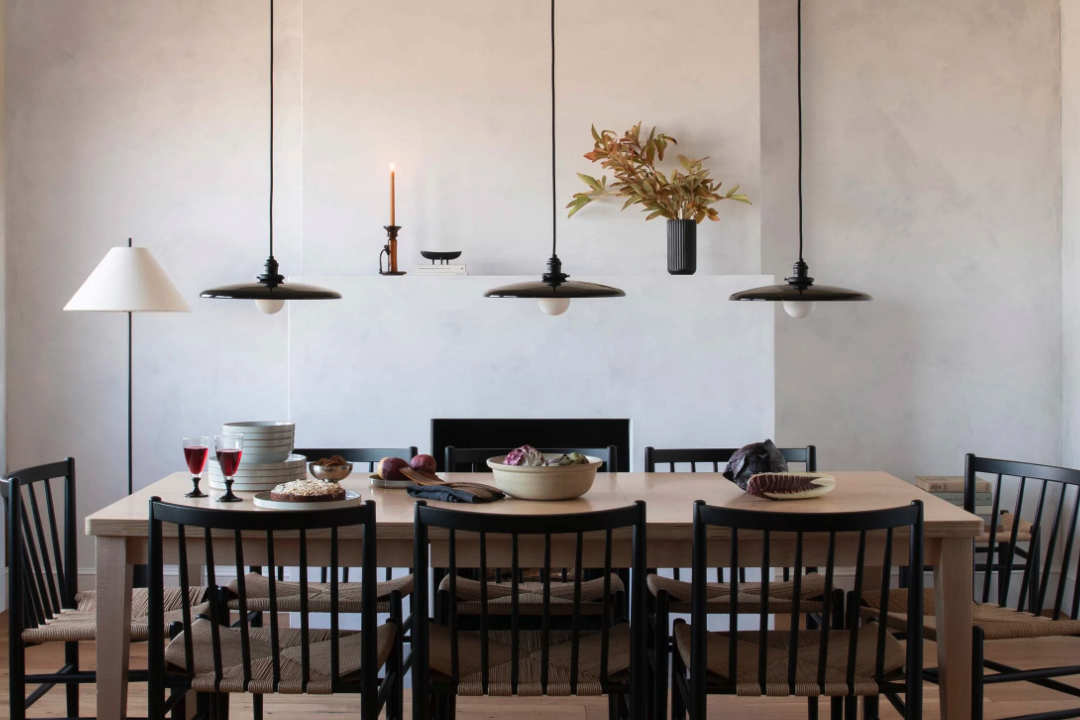
Think clean lines, geometric shapes (spheres, cubes, linear designs), and materials like brushed nickel, chrome, or matte black. Minimalist chandeliers often have a “less is more” aesthetic.
Integrated LED Fixtures
Many modern chandeliers feature integrated LED lighting, which contributes to their streamlined look and energy efficiency.
Traditional and Classic
For a more timeless feel, traditional chandeliers are the way to go.
Crystal and Brass
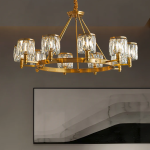
Crystal, often in tiered or cascading arrangements, is a hallmark of traditional style. Warm metals like polished brass or antique bronze also fit perfectly.
Candle-Style Fixtures
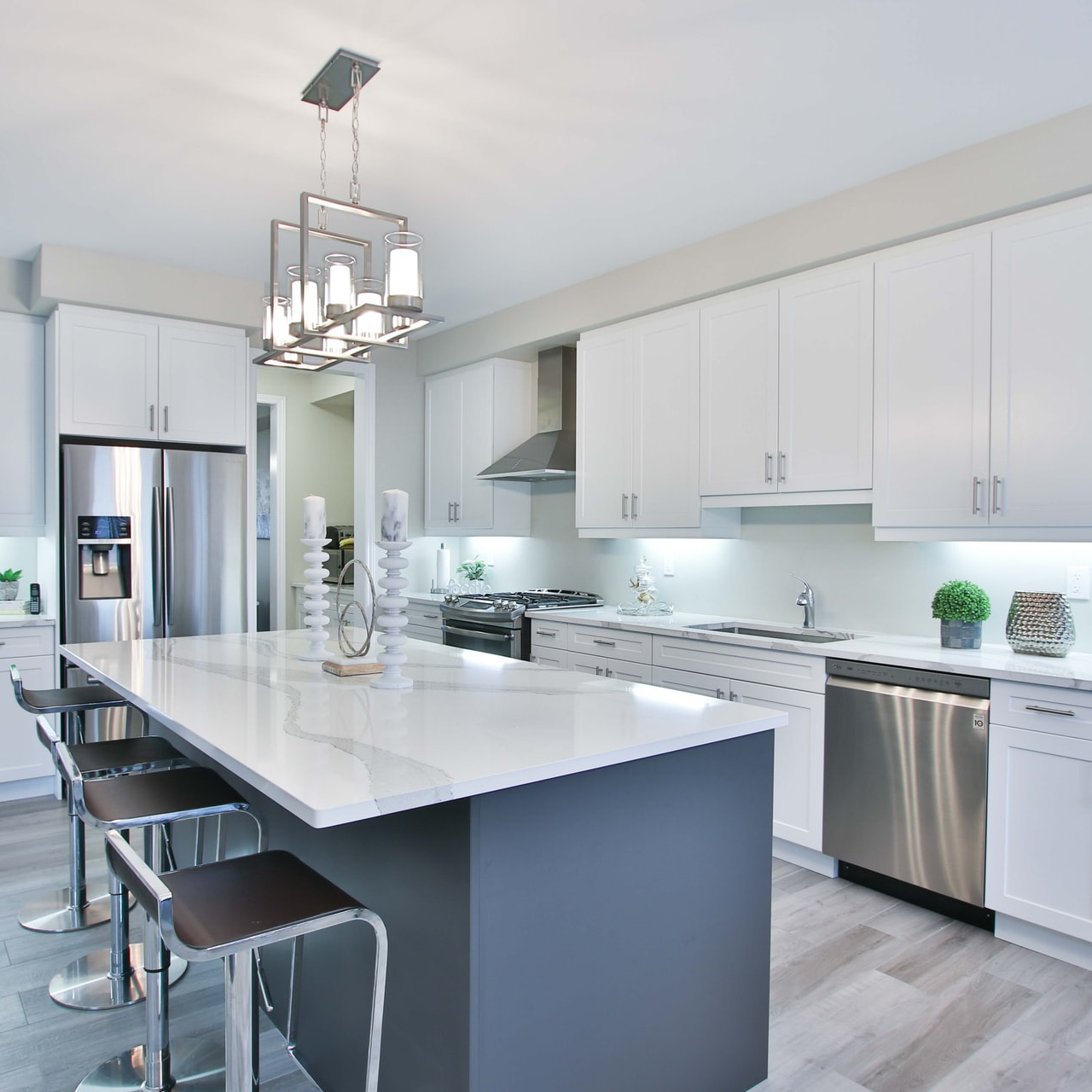
Chandeliers that mimic candelabras, with arms extending outwards and bulbous “candle sleeves,” evoke a classic elegance.
Rustic and Farmhouse
If your style leans towards warm, inviting, and a touch of country charm.
Wrought Iron and Wood Accents
Chandeliers with wrought iron detailing, often in darker finishes, or those incorporating wood elements (like distressed wood beads or frames) are ideal.
Antler and Lantern Styles
Antler chandeliers can make a bold statement, while lantern-style fixtures with clear or seeded glass add a touch of rustic sophistication.
Industrial Chic
For a vibe that’s a bit edgy and urban.
Exposed Bulbs and Metal
Look for fixtures that showcase exposed Edison bulbs, often with metal cages or minimalist metal frames in black, oil-rubbed bronze, or gunmetal.
Pipe and Gear Motifs
Chandeliers made from industrial-style pipes or featuring gear-like elements can add that perfect finishing touch.
Eclectic and Bohemian
If you love to mix and match and have a vibrant, personality-filled space.
Statement Pieces
Don’t be afraid to go for something unique! This could be an artistic sculptural piece, a vintage find, or a chandelier with unusual materials like rattan or brightly colored glass.
Layering Textures
Consider chandeliers that incorporate different textures, like macrame, beads, or woven elements.
Material Marvels: Choosing the Right Finish
The material and finish of your chandelier can significantly impact its look and feel, as well as how it integrates with your other decor.
Metal Finishes: The Go-To Choices
Metal is incredibly versatile and offers a wide range of looks.
Brushed Nickel and Chrome
These cooler-toned metals offer a sleek, modern, and often understated elegance. They’re great for contemporary, minimalist, and even some transitional spaces. They tend to be quite durable and easy to clean.
Polished Brass and Gold Tones
Warm metals add a touch of luxury and sophistication. Polished brass can lean traditional or art deco, while softer gold tones can work in more contemporary settings for a bit of glam. They can really brighten a space.
Matte Black and Oil-Rubbed Bronze
These darker finishes are incredibly popular for their versatility. Matte black offers a modern, industrial, or even Scandinavian feel, while oil-rubbed bronze provides a warmer, more traditional or rustic aesthetic. They can ground a space beautifully.
Wrought Iron
Often associated with rustic, farmhouse, or medieval styles, wrought iron offers a substantial and textural feel. It’s usually found in darker, matte finishes.
Glass and Crystal: Adding Sparkle and Light
Glass and crystal are classic choices for adding brilliance.
Clear Crystal
The quintessential choice for a glamorous or traditional feel. Clear crystal refracts light beautifully, scattering it around the room and adding a dazzling effect. Think of the classic tiered chandeliers.
Colored Glass
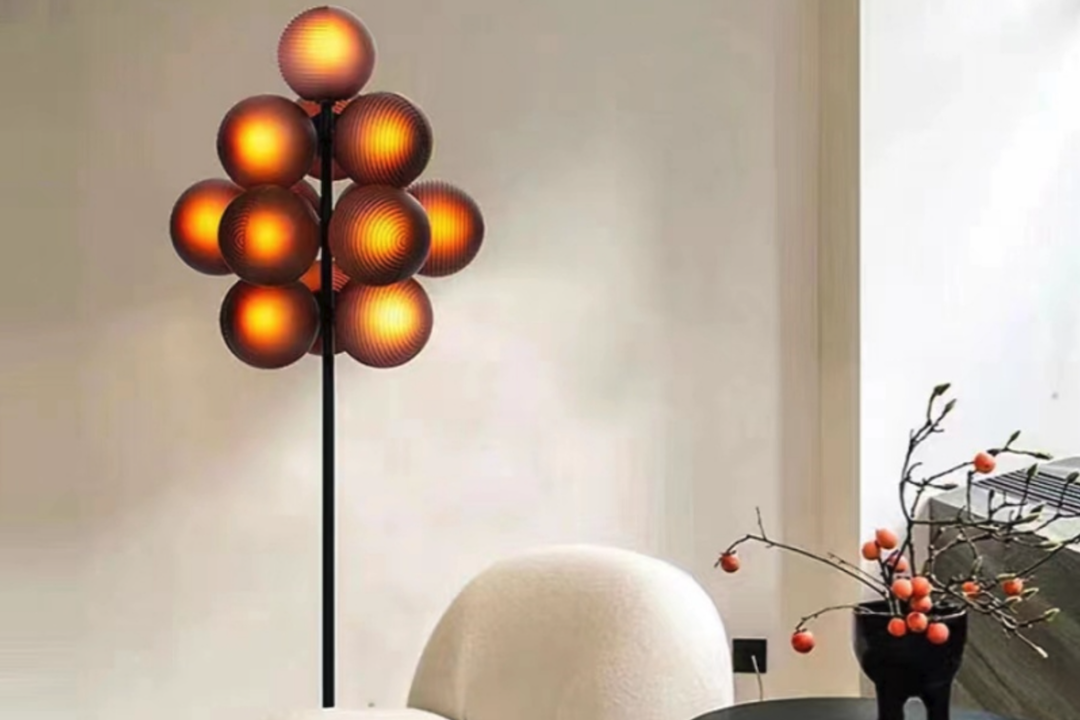
Glass in various colors can add a vibrant pop of personality. Amber, blue, green, or even multi-colored glass can work well in eclectic, bohemian, or art deco-inspired spaces.
Frosted or Etched Glass
These finishes offer a softer, more diffused light compared to clear glass or crystal. They can be excellent for reducing glare while still providing ample illumination, and are often seen in more traditional or transitional fixtures.
Other Materials: Thinking Outside the Box
Don’t limit yourself to just metal and glass.
Wood Elements
Incorporating wood, whether it’s distressed beams, carved details, or smooth polished surfaces, can add warmth and texture. This is common in farmhouse, rustic, and even some modern designs.
Fabric Shades
Some chandeliers feature fabric shades, which can soften the light and add a touch of elegance. This is often seen in more traditional or transitional styles, providing a more ambient glow.
Rattan and Natural Materials
For a bohemian, coastal, or tropical vibe, chandeliers made from natural materials like rattan, jute, or woven fibers are increasingly popular. They add a relaxed, organic feel.
Lighting Layers: Beyond Just the Chandelier
While the chandelier is your dining table’s star player, it’s not the only light source you should consider. A well-lit room uses a combination of lighting types.
Ambient Lighting: The Overall Glow
This is the general illumination for the room. Your chandelier will contribute significantly to this, but other sources might be needed depending on the room’s size and natural light.
Recessed Lighting
Strategically placed recessed lights can provide a clean, unobtrusive layer of general illumination, especially in larger rooms.
Wall Sconces
These can add a decorative touch and a softer, more indirect light, often flanking a fireplace or a piece of art.
Task Lighting: For Specific Activities
While dining is the primary activity, you might have other needs.
Buffet or Sideboard Lighting
If you have a buffet or sideboard, consider small picture lights or low-profile lamps to highlight serving dishes or decorative items.
Accent Lighting
This is for drawing attention to specific features.
Picture Lights
As mentioned, these are great for artwork above your dining area.
Spotlights
These can be used to highlight architectural features or plants.
Dimmers: Your Best Friend
Seriously, invest in dimmers!
Controlling the Mood
A dimmer switch on your chandelier is absolutely essential. It allows you to adjust the light level from bright enough for tasks to a soft, intimate glow for dinner parties. This is perhaps the single most impactful accessory for your dining room lighting.
Energy Efficiency
Using dimmers also means you’re not always running your lights at full power, which can save energy.
Installation and Practicalities: The Final Touches
Once you’ve found your dream chandelier, there are a few practical things to consider before it’s hanging pretty.
Professional Installation is Often Best
While some DIY enthusiasts can tackle chandelier installation, it often involves working with electricity and potentially heavy fixtures. For safety and peace of mind, hiring a qualified electrician is usually the best route, especially for larger or more complex fixtures.
Wiring and Junction Box Strength
Your electrician will need to ensure that the junction box in your ceiling is strong enough to support the weight of the chandelier. If you’re opting for a particularly heavy piece, upgrades might be necessary.
Bulb Selection: Not All Bulbs Are Created Equal
The type of bulbs you choose can affect the color temperature and brightness of the light.
Color Temperature (Kelvin)
- Warm White (2700K-3000K): This is closest to incandescent bulbs and creates a cozy, inviting atmosphere, ideal for dining.
- Cool White (3500K-4100K): This is a bit brighter and more neutral, good for kitchens or workspaces.
- Daylight (5000K+): This is very bright and can feel stark for a dining room.
Brightness (Lumens)
The number of lumens will tell you how bright the bulb is. For a dining chandelier, you’ll want enough lumens to adequately light the table, but avoid anything that feels harsh. Often, chandeliers have multiple bulbs, so you can mix and match or aim for a total lumen output that feels right.
Maintenance and Cleaning
Consider how easy the chandelier will be to clean. Crystal can be a bit more time-consuming than a simple metal fixture, but the sparkle is often worth it. Ensure you can safely reach all parts of the fixture for dusting and occasional deeper cleans.
By thinking through these points – size, style, materials, layering your lighting, and the practicalities of installation – you’ll be well on your way to choosing a chandelier that not only lights up your dining table but also elevates your entire dining experience. Happy hunting!