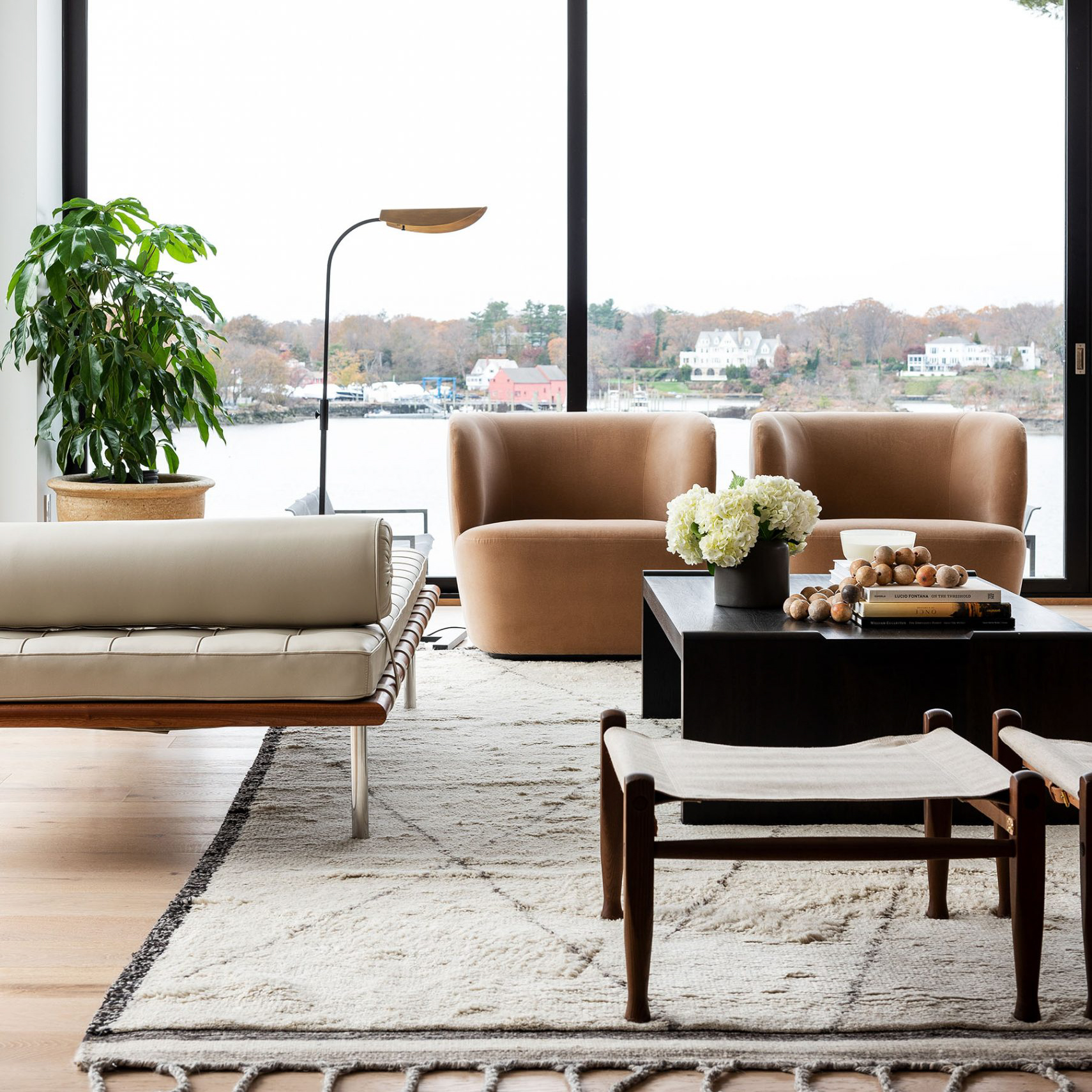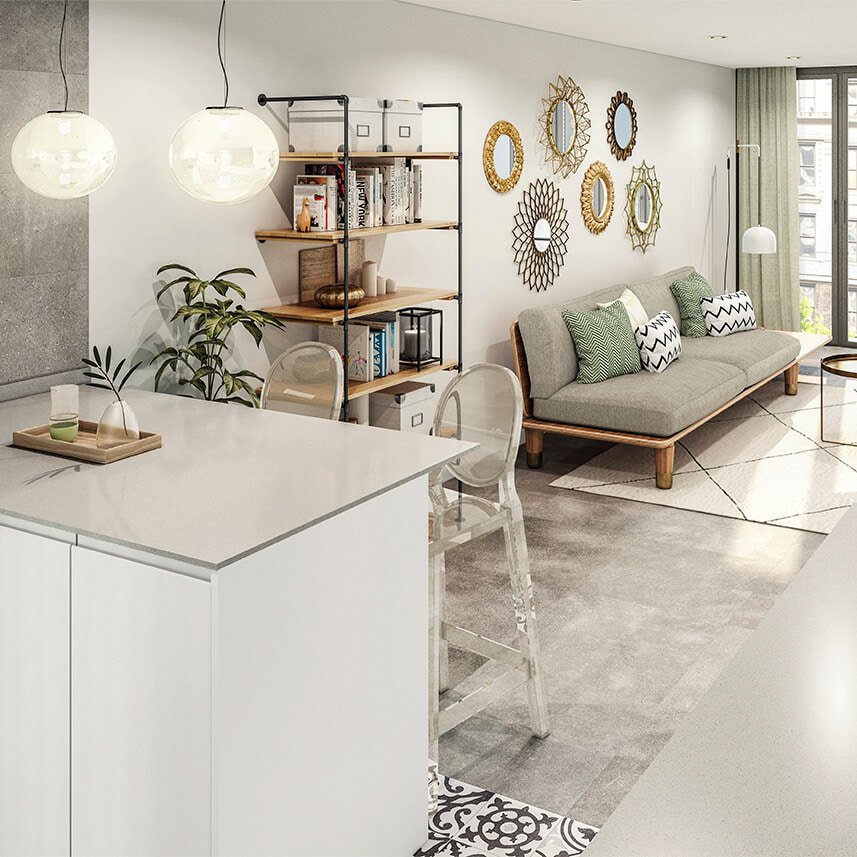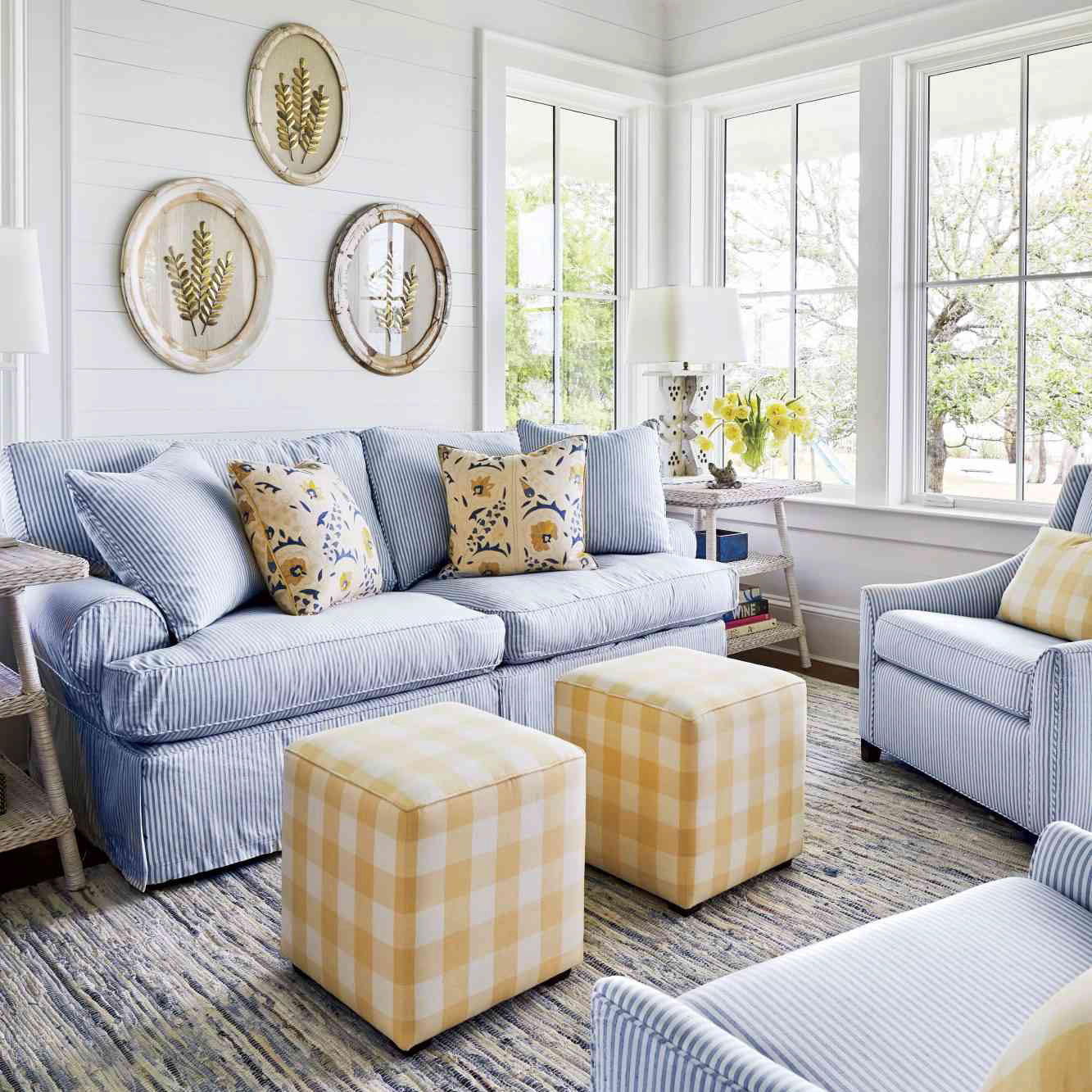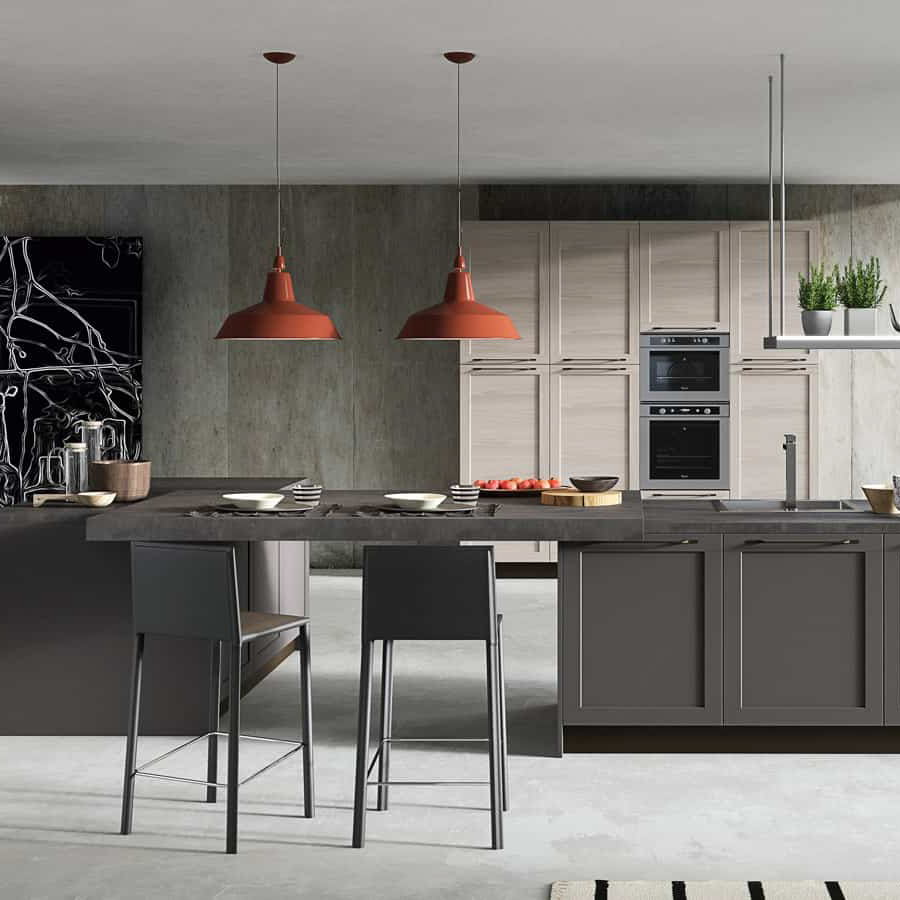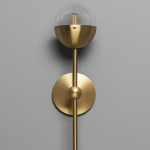
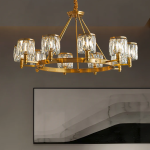
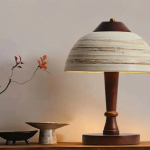
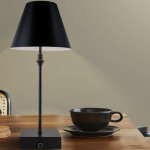


When it comes to lighting a contemporary home, modern floor lamps are essentially the unsung heroes. They’re not just about light; they’re about adding mood, defining spaces, and bringing a touch of style that’s often hard to achieve with overhead lighting alone. Simply put, they offer flexible illumination and aesthetic appeal, making them a cornerstone of modern interior design.
Forget the idea of a floor lamp as a bulky, functional-but-boring fixture tucked in a corner. Modern Lappinlighting floor lamps have evolved, becoming versatile pieces that offer much more than just a light source. They address several common dilemmas in today’s homes.
Beyond Basic Illumination
- Targeted Task Lighting: Need to read? Craft? Work on a laptop? A well-placed modern floor lamp, especially one with an adjustable head, provides focused light right where you need it, reducing eye strain and increasing productivity. This is a game-changer for open-plan living where dedicated desk lamps might not fit the aesthetic.
- Ambient Glow: Some modern designs feature diffusers or indirect lighting, creating a soft, warm glow that makes a room feel instantly more inviting. This general illumination can soften harsh overhead lights or fill in dark corners, creating a more balanced lighting scheme.
- Accent Lighting: Ever notice how gallery lighting makes art pop? Floor lamps can do something similar for your home. Use them to highlight a unique piece of furniture, a plant, or artwork, drawing attention and adding depth to your space.
The Power of Portability
Unlike built-in fixtures, floor lamps are incredibly flexible. Moving furniture? Redecorating a room? Need extra light for a party? Just pick it up and relocate it. This adaptability is invaluable in homes where needs and layouts can change over time. No rewiring, no fuss.
Adding Architectural Interest
Modern design often embraces clean lines and minimalist aesthetics. A floor lamp with an interesting silhouette, unique materials, or an architectural form can become a focal point, adding visual weight and character without cluttering the space. It’s an opportunity to introduce a sculptural element into your decor.
Types of Modern Floor Lamps and Their Uses
The variety available today is impressive, each type serving slightly different purposes and suiting various aesthetics. Understanding these differences can help you choose the right lamp for your space.
Arc Lamps: The Overhead Innovators
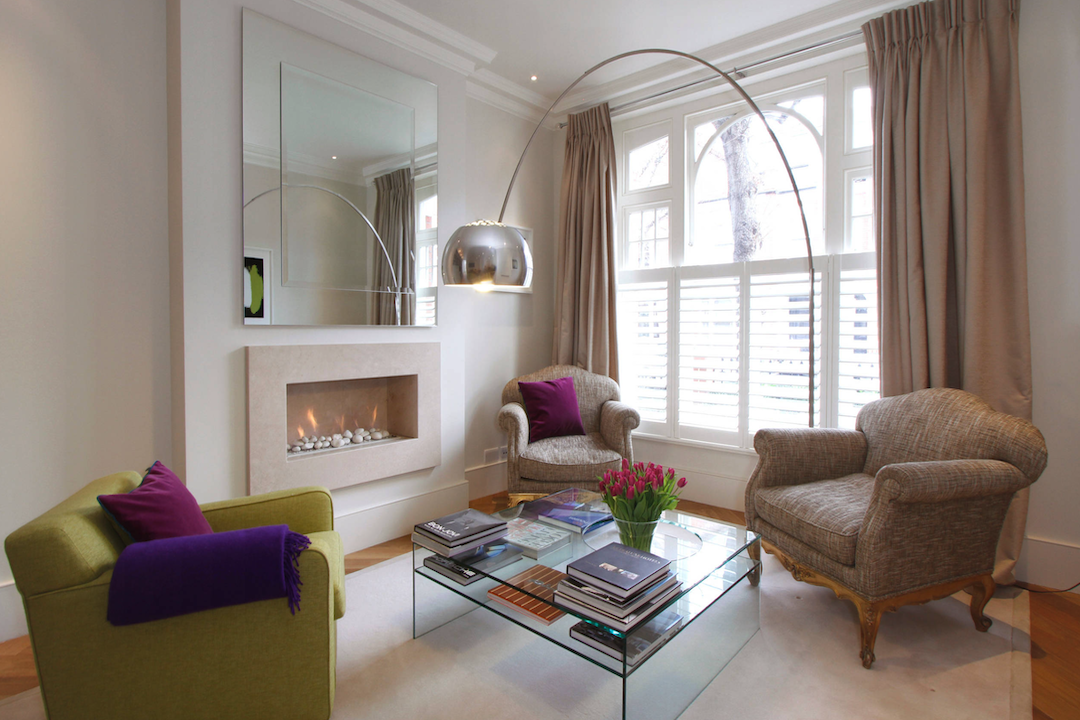
- Reach and Scope: Characterized by their long, curving arm, arc lamps are designed to extend over seating areas, tables, or beds, providing overhead light without needing a ceiling fixture or occupying a table surface. This is particularly useful in open-plan spaces where defining zones is key.
- Statement Pieces: Their dramatic silhouette often makes them a sculptural element in a room, drawing the eye and adding a touch of contemporary flair. They are frequently made with sleek metals like chrome or brushed steel, sometimes with marble bases.
- Ideal Locations: Perfect for illuminating a coffee table from above, providing reading light over a sofa, or even acting as a bedside lamp if space is at a premium. They cast light outwards, minimizing shadows in the immediate vicinity.
Task Lamps: Focus on Function
- Adjustability is Key: These lamps are defined by their adjustable arms and heads, allowing you to direct light with precision. Think of those classic architect lamps, but scaled up for the floor.
- Direct Illumination: They excel at providing focused, bright light for activities like reading, crafting, or working on a puzzle. Many models feature dimming capabilities, allowing you to fine-tune the brightness.
- Common Styles: Often feature industrial-inspired designs with exposed springs or articulated joints, but modern versions also come with sleeker, more minimalist profiles. Matte black, brushed nickel, or brass are popular finishes.
Column/Tower Lamps: Ambient Ambiance
- Soft, Diffused Light: These lamps typically feature a tall, slender body, often with a fabric shade or a translucent column that diffuses light evenly throughout the room.
- Space-Saving Design: Their upward-reaching light eliminates the need for multiple smaller lamps, making them ideal for areas where floor space is limited but ambient lighting is desired.
- Warm Glow: They create a gentle, inviting atmosphere, perfect for living rooms, bedrooms, or hallways where harsh direct light isn’t needed. Materials like rice paper, linen, or frosted acrylic are common.
Tripod Lamps: A Touch of Architectural Flair
- Stable and Stylish: As the name suggests, these lamps stand on three legs, offering excellent stability and a distinct visual appeal. Their design often evokes a studio or industrial aesthetic.
- Filling Empty Corners: Their wider footprint makes them suitable for larger rooms or empty corners where they can serve as a decorative element even when not lit.
- Versatile Lighting: Depending on the shade, they can provide ambient, task, or even accent lighting. A translucent drum shade will offer ambient light, while a more focused, opaque shade can direct light downwards for reading.
Up-lighters: Bouncing Light Creatively
- Indirect Illumination: These lamps direct light upwards towards the ceiling, which then reflects back down into the room. This creates a very soft, diffused, and even ambient light, minimizing shadows.
- Making Spaces Feel Larger: By illuminating the ceiling, up-lighters can make a room feel taller and more open. They’re excellent for creating a sense of spaciousness.
- Corner Solutions: Often placed in corners or against walls, they wash the wall and ceiling with light, adding depth and visual interest without being overly bright themselves. Frequently come with dimming capabilities.
Choosing the Right Modern Floor Lamp for Your Home
It’s not just about what looks good in the store; it’s about how it functions and fits into your space. Consider these practical points.
Understanding Your Lighting Needs
- Define the Primary Purpose: Are you looking for focused reading light, a general ambient glow, or something to highlight decor? Pinpointing this first will significantly narrow down your choices. A reading nook demands a different lamp than a hallway.
- Brightness and Dimmability: How much light do you really need? For task lighting, higher lumens are often better, but for ambiance, adjustable brightness is key. Dimmers are your friends – they offer flexibility for different moods and times of day.
- Light Temperature: Modern lamps often feature LED bulbs, allowing you to choose between warm white (2700K-3000K), cool white (4000K), or even daylight (5000K+). Warm white generally feels cozier, while cool white is more active and modern.
Scale and Proportion: Don’t Overlook This
- Room Size: A massive arc lamp might overwhelm a small apartment living room, while a tiny tripod lamp could get lost in a spacious loft. Visualize the lamp in your space before buying.
- Furniture Placement: Ensure the lamp’s base doesn’t impede walking paths or get tangled with furniture legs. Consider obstacles like heating vents or open doors.
- Ceiling Height: Arc lamps, for example, need sufficient ceiling height to achieve their full dramatic effect without feeling constrained.
Material and Finish Integration
- Complement Existing Decor: Your floor lamp should tie into your existing furniture, finishes, and overall aesthetic. If your home is full of warm woods and natural fibers, a cool chrome lamp might feel out of place.
- Color Palette: Does the lamp’s finish complement or contrast effectively with your room’s color scheme? Sometimes a bold, contrasting color can be a fantastic accent.
- Durability and Maintenance: Consider the materials. Glass shades look great but can be fragile. Fabric shades can collect dust. Metal finishes can show fingerprints. Choose materials that suit your lifestyle.
Smart Features and Tech Integration
- Smart Bulbs: Many modern floor lamps are compatible with smart bulbs (like Philips Hue or LIFX), allowing you to control brightness, color temperature, and even color directly from your phone or voice assistant.
- USB Charging Ports: Some lamps integrate USB ports, a handy feature for charging devices right where you relax.
- Touch Controls and Remotes: Beyond simple on/off switches, look for touch-sensitive controls or included remotes for convenience, especially with taller or multi-directional lamps.
Placement Pointers: Bringing Your Lamp to Life
Where you put your floor lamp is just as important as the lamp itself. Strategic placement can transform a room.
Enhancing Entryways and Hallways
- Welcoming Glow: A sleek column lamp or an up-lighter can provide a soft, inviting glow in an entryway without taking up much-needed surface space. It sets the tone for the rest of your home.
- Illuminating Pathways: In longer hallways, a series of identical, spaced-out floor lamps can guide the eye and add rhythm to the space, making it feel less like a corridor and more like a curated passage.
Living Room Layouts
- Next to Seating: The classic placement. An arc lamp over a sofa, a task lamp beside an armchair, or a tripod lamp next to a sectional provides both light and a decorative element. Aim for the light source to be at shoulder height or above for comfortable reading.
- Defining Zones: In open-concept living rooms, floor lamps can subtly delineate areas. An arc lamp extending over a dining table, for instance, marks the dining zone without a permanent fixture.
- Balancing the Room: Use floor lamps to balance the visual weight of other furniture. A tall lamp in a corner can offset a low-slung media console on the opposite wall.
Bedroom Bliss
- Alternative Bedside Lighting: For small bedrooms or modern aesthetic, a slender floor lamp can replace traditional bedside table lamps, freeing up nightstand space. Look for models with adjustable arms for reading.
- Ambient Comfort: A column lamp in a bedroom corner can provide a soft, ambient light that’s perfect for winding down, much softer than overhead lighting.
- Dressing Area Illumination: A carefully placed floor lamp can help illuminate a dressing area or closet, providing better light for choosing outfits.
Dining Room Dynamics
- Beyond the Chandelier: While chandeliers are traditional, an arc lamp extending over a dining table offers a modern, often more flexible alternative, allowing you to position light precisely over the center of the table.
- Buffet or Sideboard Accent: A slender, decorative floor lamp next to a buffet or credenza can beautifully highlight the furniture piece and any decor displayed on it, adding a layer of sophistication.
Caring for Your Modern Floor Lamp: A Quick Word
Modern floor lamps are generally low-maintenance, but a little care goes a long way.
Bulb Replacement
- LED Longevity: Modern lamps often come with integrated LEDs or use LED-compatible sockets. LEDs last a long time, but if you need to replace one, ensure you match the wattage, base type, and ideally, the color temperature (Kelvin) for consistent light.
- Safety First: Always unplug the lamp before changing a bulb or cleaning.
Cleaning
- Dust Regularly: A build-up of dust on shades or diffusers can significantly reduce light output and create a dingy look. Use a soft, dry cloth or a feather duster for most surfaces.
- Specific Materials: For metal bases, a microfibre cloth often suffices. For fabric shades, a soft brush or vacuum with an upholstery attachment works well. Follow manufacturer instructions for any specialized cleaning needed.
Modern floor lamps are more than just practical objects; they are an integral part of contemporary interior design. By understanding the various types, considering your specific needs, and investing a little thought into placement, you can select pieces that not only illuminate your space but also elevate its style and functionality. They truly are the flexible, fashionable workhorses of modern lighting.