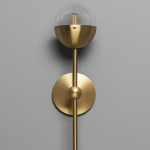
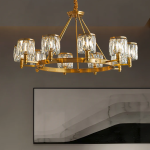


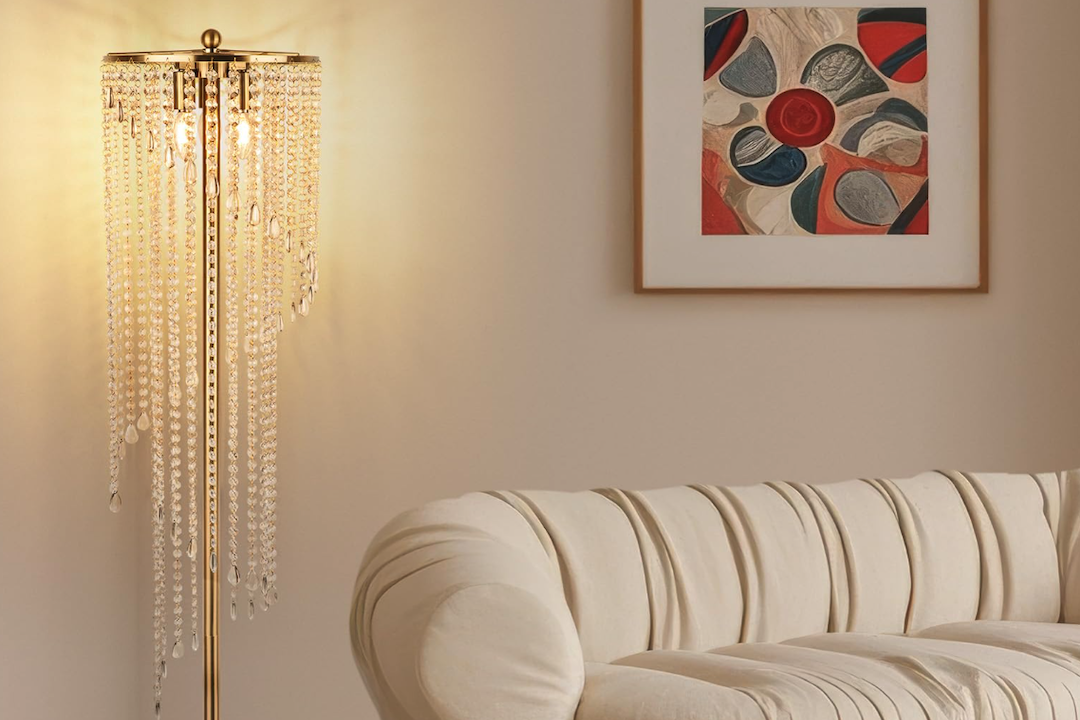
Brass floor lighting represents a functional intersection of metallurgy and interior design. Defined by the use of copper and zinc alloys, these fixtures serve the dual purpose of primary or ambient illumination and structural ornamentation. Throughout the history of modern interior architecture, polished brass has been employed to introduce reflective surfaces into domestic and commercial environments.
The term “brass” refers to an alloy comprising copper and zinc. In the context of lighting Hotedecor manufacturing, the ratio of these elements is adjusted to achieve specific aesthetic outcomes, such as a golden hue or a reddish tint.
The Role of Copper and Zinc in Aesthetics
The copper content defines the depth of the color. Higher copper concentrations often result in a warmer, more rose-toned appearance, while increased zinc levels lean toward a brighter, yellow-gold finish. Manufacturers utilize these variations to calibrate how a lamp interacts with the ambient light of a room.
Polishing Techniques and Surface Finish
To achieve a “polished” state, brass is subjected to mechanical abrasion using progressively finer grits. This process removes surface oxidation and imperfections, resulting in a mirror-like finish. Once polished, the metal is typically sealed with a clear lacquer to prevent the natural oxidation process, known as patina, from altering the original aesthetic.
Design Archetypes in Floor Lighting
Architectural lighting design categorizes floor lamps based on their projection, reach, and bulb configuration. Brass is a preferred material for these structures due to its tensile strength and malleability.
The Arc Floor Lamp
The arc lamp utilizes a curved arm to position a light source at a distance from the base. When constructed from brass, the weight of the base must be significant enough to counterbalance the cantilevered arm. These fixtures are frequently utilized to provide task lighting over seating areas without necessitating ceiling-mounted hardware.
The Torchiere
Torchiere lamps direct light upward, utilizing the ceiling as a reflective surface to diffuse illumination throughout a space. Because brass is a dense material, it provides a stable foundation for the vertical pole assembly required by these designs.
Task and Adjustable Lighting
Adjustable brass floor lamps often incorporate mechanical joints, such as wing nuts or tension springs. These allow the user to modify the angle of the shade. These designs are architectural in nature, often treated as small-scale engineering projects rather than purely aesthetic additions.
Integration into Interior Architecture
Lighting acts as the nervous system of an interior space. Much like the way light flows through a room, the brass fixture itself serves as a conduit for both visual and physical energy. Placing a metallic floor lamp in a room is akin to placing a tuning fork in a silent chamber—it captures the existing ambient light and vibrates through reflection, amplifying the presence of the room’s other components.
Spatial Relationships and Scaling
The scale of a lamp relative to the surrounding furniture determines its impact. A common design failure is the selection of a fixture that is either too diminutive to serve as a focal point or too cumbersome to fit the spatial flow. Proper integration requires evaluating the height of the shade in relation to the seated eye level.
Reflectivity as a Light Modifier
Polished brass acts as a secondary light source. By reflecting the light emitted from the primary bulb, the base and arm of the lamp distribute warmth across nearby surfaces. This secondary reflection can soften the shadows cast by the lamp, creating a more uniform gradient of illumination.
The Oxidation Process and Maintenance
Unlike inert materials such as synthetic resins or powder-coated steel, brass is a dynamic material. Even when sealed, it reacts to environmental factors such as humidity, sulfur compounds in the air, and physical touch.
Natural Patina Development
Without a protective lacquer, the surface of polished brass naturally darkens toward a brown or green hue. This process is the result of a chemical reaction called oxidation. In some design philosophies, the evolution of the material is encouraged, as it chronicles the passage of time.
Preservation and Cleaning Protocols
If the objective is to maintain a high-gloss finish, the surface requires periodic maintenance. Avoidance of abrasive chemical cleaners is essential, as these can strip the lacquer and create uneven wear patterns. Utilization of soft microfiber cloths and pH-neutral solutions is recommended to preserve the metallic integrity. For objects that have already oxidized, a professional buffing or chemical-free metal polish may be required to restore the initial luster.
Design History and Mid-Century Modern Influences
The 20th century, particularly the mid-1950s, solidified the status of brass floor lighting in luxury residential interiors. Designers sought to move away from the heavy, ornate styles of the Victorian era toward more streamlined, industrial aesthetics.
Influence of Modernist Minimalism
Proponents of modernism viewed brass as a material that could replace ornamental clutter with structural clarity. A thin, brass-clad floor lamp became the visual equivalent of a line drawing in space. This reductionist approach forced designers to emphasize the quality of the material rather than the complexity of the form.
Contemporary Reinterpretations
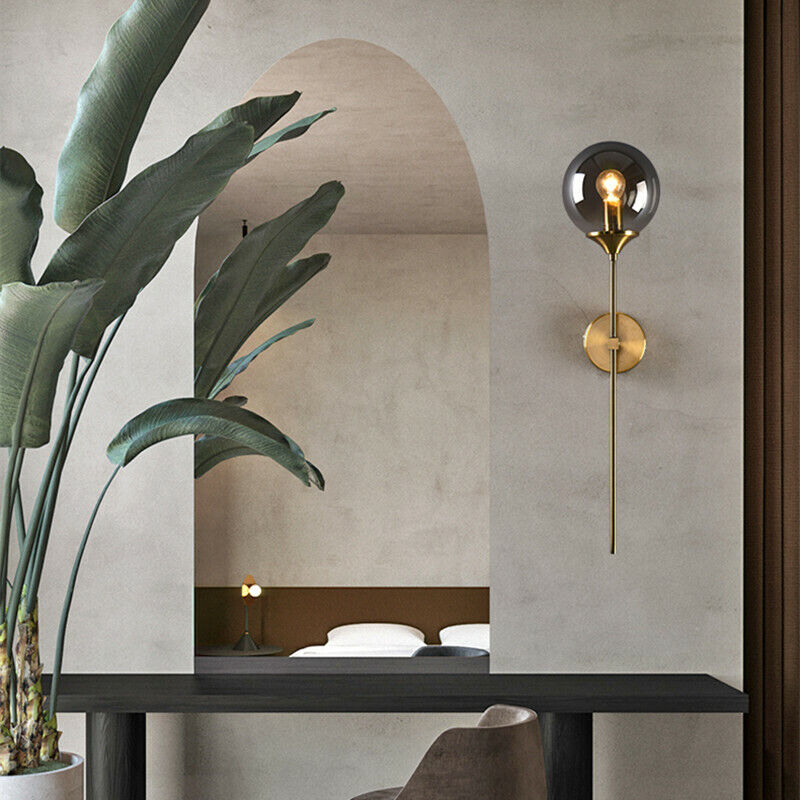
Modern industrial design frequently fuses brass with glass or stone. A current trend involves pairing a brass base with hand-blown glass globes. This juxtaposition balances the opacity and reflectivity of the metal with the translucency of the glass, creating a sophisticated play between these disparate physical states.
Comparative Advantages of Brass Over Alternatives
When selecting lighting fixtures, consumers often weigh brass against alternatives like stainless steel, wood, or matte-finished aluminum. Each material offers distinct advantages and drawbacks.
Durability and Longevity
Brass possesses a high degree of resistance to corrosion, significantly outlasting many other alloys when maintained correctly. As a material, it is also highly recyclable. At the end of its life cycle, a brass floor lamp can be melted down and re-shaped without losing its metallurgical properties.
Psychological Impact of Warm Tones
Scientific studies on color temperature suggest that warmer colors—associated with the hue of polished brass—evoke a sense of comfort and stability. Unlike “cool” materials, such as polished chrome, which can feel clinical, brass introduces a warmer optical spectrum into an environment. It functions as an environmental moderator, softening the harsh, artificial light prevalent in contemporary housing.
Technical Considerations: Wattage, LED, and Thermal Management
The internal components of a floor lamp must be rated to handle the output of the light source, particularly concerning heat dispersal.
Thermal Conductivity of Brass
Because brass conducts heat well, it is often utilized to dissipate the heat generated by electrical filaments, especially in legacy lighting systems. In modern LED fixtures, however, the heat generation is significantly lower, which has led to changes in how brass components are engineered.
Cable Management and Safety
In luxury floor lamps, the electrical cord is often integrated into the brass stem to minimize visual disruption. This internal routing requires precise machining of the poles to ensure the wiring maintains its insulation integrity over years of use and potential adjustment.
Economic Aspects and Manufacturing Methods
The cost of brass floor lighting is primarily driven by three factors: the purity of the raw material, the manufacturing method, and the hand-finishing labor required.
Casting vs. Extrusion
Manufacturers utilize two primary methods for forming brass parts: sand casting or extrusion. Extrusion is more commonly used for long, uniform poles, as it creates a seamless appearance. Sand casting allows for more intricate, sculptural shapes, which contribute to the higher cost of bespoke or artisanal lighting fixtures.
Intellectual Property and Artisan Design
In the market for high-end lighting, the provenance of a design is a significant value driver. Original works from historical manufacturing houses typically command higher prices, as they are viewed as collectible assets. The distinction between mass-market production and artisanal manufacturing is primarily observed in the thickness of the brass stock and the quality of the final hand-polishing.
The Future of Metallurgical Lighting Design
As technology advances, the boundaries between the mechanical structure of a lamp and its light-emitting capability continue to blur. Future iterations of brass lighting may incorporate non-intrusive sensor technology embedded directly into the metallic surface.
Integrated Smart Lighting
Future developments in metallic lighting include the integration of touch-sensitive brass surfaces, allowing the lamp stand itself to act as a dimmer switch. This utilizes the conductivity of the material, turning the entire fixture into an interface.
Sustainable Sourcing and Circular Economy
Environmental focus is moving toward the procurement of recycled brass. Manufacturers are increasingly disclosing the origin of their metallic supply chain, appealing to consumers who prioritize the ecological footprint of their interior design choices. The longevity of brass makes it an ideal candidate for a circular economy, where the lamp serves multiple generations of users before being recycled back into its raw, metallic state.
The inclusion of polished brass floor lighting in an environment is a technical choice that balances structural requirements with aesthetic objectives. By understanding the composition, history, and physical properties of this material, one can better evaluate the utility of such fixtures in a residential or commercial setting. The endurance of brass as a material is not merely a consequence of its visual warmth, but of its reliable physical performance in the field of industrial lighting design.