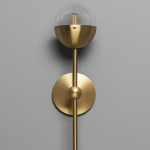
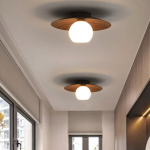


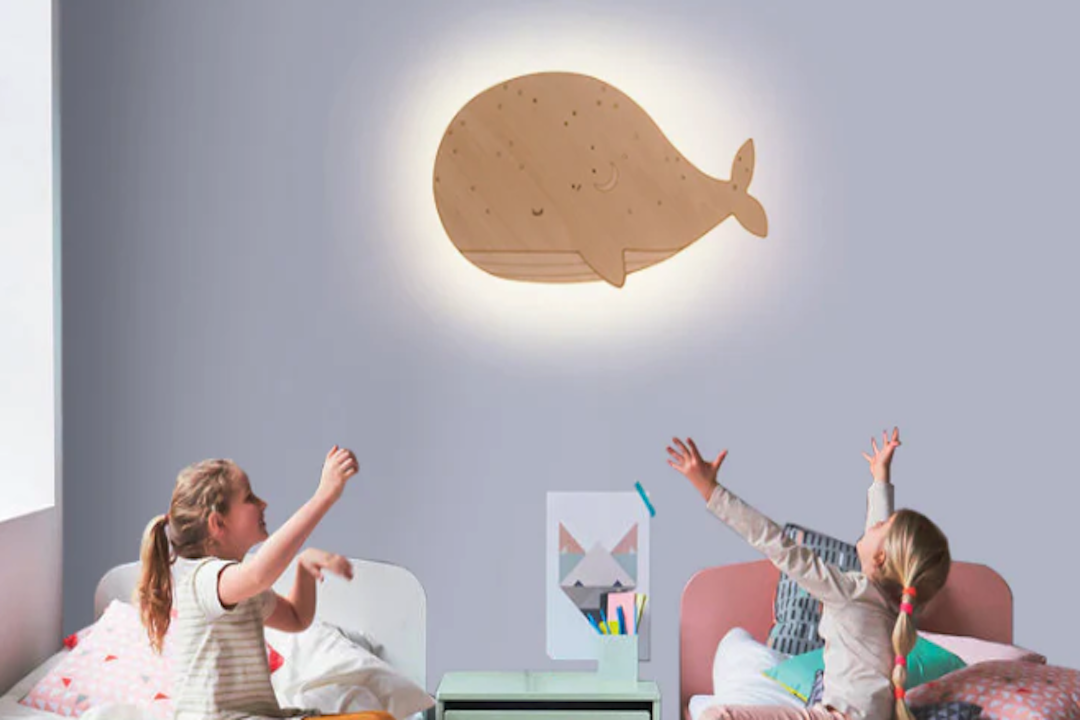
Minimalist wall lamps offer practical and aesthetic benefits for children’s rooms. Their understated design prioritizes functionality and contributes to a clutter-free environment, aligning with principles of child development and fostering a sense of order. This article explores the various advantages and considerations when selecting and implementing minimalist wall lamps in children’s spaces.
The core tenet of minimalist design is “less is more.” This concept translates directly to wall lamps Guffco through a focus on essential form and function.
Simplicity in Form and Aesthetics
Minimalist wall lamps often feature clean lines, geometric shapes, and a lack of superfluous ornamentation. Materials are typically chosen for their durability and simple beauty, such as matte metals, natural wood, or frosted glass. The objective is to create a lighting fixture that integrates seamlessly into the room’s decor rather than dominating it, acting as a subtle accent rather than a focal point. This understated aesthetic promotes a calm and uncluttered visual landscape, which can be particularly beneficial in children’s rooms where visual stimulation is already prevalent.
Functional Focus and Efficiency
Beyond aesthetics, minimalist wall lamps prioritize functionality. This means efficient light output, often with adjustable features to direct illumination where needed. Energy efficiency is also a significant consideration, with many minimalist designs incorporating LED technology. The lamp’s purpose is to provide adequate light for specific tasks like reading or general ambient illumination, without adding unnecessary complexity or visual noise.
Benefits for Children’s Rooms
The inherent characteristics of minimalist wall lamps make them well-suited for the unique demands of a child’s bedroom.
Promoting Calm and Order
A cluttered environment can contribute to anxiety and distraction, especially for developing minds. Minimalist design, by its very nature, counteracts this. Wall lamps, unlike floor lamps or table lamps, occupy no floor or surface space, thereby freeing up valuable real estate for play and movement. This spatial efficiency is a cornerstone of a well-organized child’s room.
Reduced Visual Clutter
The absence of intricate patterns, excessive details, or vibrant colors on minimalist lamps helps maintain a visually calm atmosphere. In a child’s room, which often features colorful toys and decor, a simple light fixture provides a visual anchor of tranquility. This reduction in visual noise can contribute to better focus during homework or playtime and a more serene environment before sleep.
Encouraging a Sense of Space
By being mounted on the wall, these lamps “disappear” into the room’s architecture, creating an illusion of greater space. This is especially advantageous in smaller rooms where every square inch matters. The open floor space becomes a canvas for imaginative play, unhindered by bulky lighting fixtures.
Enhancing Safety and Durability
Safety is paramount in children’s rooms. Minimalist wall lamps often incorporate features that address common concerns.
Eliminating Tripping Hazards
Floor lamps and table lamps, with their cords and unstable bases, present clear tripping hazards for active children. Wall-mounted lamps eliminate this risk entirely, keeping pathways clear and reducing the likelihood of accidents. Cords are typically concealed or routed along the wall, further enhancing safety.
Robust Construction and Child-Proofing
Many minimalist lamps are designed with durable materials that can withstand accidental bumps or playful interactions. Some designs incorporate features like enclosed light sources to prevent children from touching hot bulbs, or covers that are difficult for small hands to remove. The absence of delicate decorative elements also reduces the risk of breakage.
Versatility and Adaptability
A child’s room evolves rapidly, from a nursery to a toddler’s play area, and then to a school-aged child’s study space. Minimalist wall lamps can adapt to these changes.
Growing with the Child
The timeless design of minimalist lamps means they do not quickly become outdated. A simple geometric lamp that provides ambient light for a baby can later serve as a reading lamp for a school-aged child, or as a task light for a teenager’s desk. This longevity makes them a sustainable and cost-effective choice.
Adaptable Lighting Solutions
Many minimalist wall lamps offer adjustable features, such as swivel heads or dimmer switches. This allows the light to be adapted to various activities, from soft night lighting to brighter illumination for reading or creative projects. Some models even incorporate color temperature adjustments, providing warm light for relaxation and cool light for concentration.
Practical Considerations for Selection
Choosing the right minimalist wall lamp involves more than just aesthetic appeal. Several practical factors should guide the decision-making process.
Light Output and Function
The primary purpose of the lamp dictates the required light output and type.
Ambient Lighting
For general room illumination, a lamp with a wider beam angle and moderate brightness is appropriate. Diffused light, often achieved through frosted shades or indirect illumination, provides a soft glow that reduces harsh shadows. This creates a comfortable atmosphere for play and relaxation.
Task Lighting
When selecting a lamp for specific activities like reading or drawing, directed light is essential. Lamps with adjustable heads or focused beams ensure adequate illumination on the work surface, minimizing eye strain. The “cone of light” metaphor is useful here; a task light should precisely cover the area where work is being done, leaving the surrounding areas dimmer to reduce glare.
Night Lighting
For younger children, a very dim, warm light can be beneficial, acting as a nightlight without disrupting sleep patterns. Some minimalist lamps integrate low-wattage LED options or have specific nightlight modes. The goal is to provide just enough light to navigate the room without fully waking the child.
Material and Durability
The materials used in a wall lamp significantly impact its durability and safety.
Non-Toxic and Hypoallergenic
Given the proximity to children, it is prudent to choose lamps made from non-toxic, lead-free, and hypoallergenic materials. Certifications for child safety standards are a strong indicator of suitability. Natural materials like untreated wood or metal are generally safe choices.
Robust Construction
Children’s rooms are activity centers. Lamps should be able to withstand minor impacts without breaking or becoming a hazard. Metals like steel or aluminum, and durable plastics, are often used for their resilience. Avoid lamps with fragile glass components or easily detachable parts.
Installation and Wiring
Proper installation is crucial for both functionality and safety.
Professional Installation Recommended
While some DIY enthusiasts might attempt installation, it is often advisable to have a qualified electrician install hardwired wall lamps. This ensures correct wiring, secure mounting, and compliance with local electrical codes, preventing potential fire hazards or electrical shocks.
Cord Management
For lamps that plug into an outlet, meticulous cord management is essential. Cords should be secured to the wall using clips or channels to prevent them from becoming a strangulation hazard or a tripping obstacle. Consider lamps with integrated switches or remote controls to minimize the need to access the power outlet directly.
Placement Strategies for Optimal Lighting
The strategic placement of minimalist wall lamps maximizes their effectiveness and contributes to a well-lit and functional room.
Over the Bed for Reading
Positioning a wall lamp above the headboard provides focused illumination for bedtime reading without occupying bedside table space. An adjustable lamp allows the child to direct the light precisely onto their book. This creates a personal “reading nook” within the bed itself.
Near a Desk or Play Area for Task Lighting
A wall lamp mounted above a desk or a dedicated play table offers crucial task lighting. This prevents shadows from the child’s body or hands obstructing their work and ensures adequate light for detailed activities. The lamp acts as a spotlight for their creative endeavors.
Along a Wall for Ambient Glow
Several minimalist wall lamps, spaced evenly along a wall, can provide a soft, ambient glow to the entire room. This indirect lighting can create a cozy and inviting atmosphere, particularly useful in larger rooms where a single overhead light might feel too harsh or inadequate.
Integrating with Room Decor
Minimalist wall lamps, by their nature, simplify the design process rather than complicate it.
Complementary, Not Dominant
The key is to select a lamp that complements the existing decor without becoming the room’s dominant feature. Its simplicity allows it to blend seamlessly while still providing essential light. Think of it as a quiet partner in the room’s aesthetic symphony.
Neutral Color Palettes
Minimalist lamps often come in neutral colors like white, black, gray, or metallic finishes. These colors are versatile and can easily integrate into various color schemes, allowing the child’s personality to shine through other decorative elements, such as bedding, artwork, or toys.
Consistent Design Language
If the room already features a minimalist aesthetic, choosing a wall lamp with similar clean lines and simple forms reinforces this design language. Even in a more eclectic room, a minimalist lamp can provide a grounding element, a point of visual calm amidst more vibrant decor.
Conclusion
Minimalist wall lamps represent a pragmatic and stylish lighting solution for children’s rooms. Their inherent simplicity, focus on functionality, and spatial efficiency contribute to a safer, more organized, and visually calming environment. By carefully considering light output, materials, installation, and placement, parents can integrate these lamps into their children’s rooms, providing adaptable illumination that supports growth, encourages independence, and enhances overall well-being.