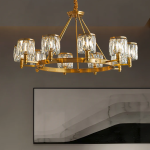
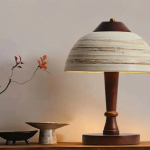
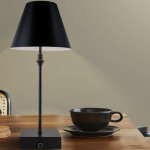


In contemporary design, minimalist desk lamps function as practical and decorative elements that combine utility with visual appeal. These lamps feature clean lines, uncomplicated forms, and typically neutral color schemes. They provide illumination while serving as design elements that improve workspace atmosphere.
The minimalist design philosophy prioritizes essential features and removes superfluous details, focusing on the core function and form of the object. This approach proves particularly effective in professional settings that require focus and precision, such as architectural firms. Architects working with complex designs and detailed technical drawings benefit from minimalist desk lamps, which deliver concentrated light suitable for detailed work while maintaining an organized workspace.
The straightforward design of these lamps allows them to complement various office environments, including contemporary and industrial styles, without creating visual clutter. As architects design functional and aesthetically balanced spaces for their clients, the selection of appropriate lighting for their own workspaces becomes an important consideration.
Benefits of Using a Minimalist Desk Lamp in an Architect Office
The advantages of incorporating minimalist desk lamps into an architect’s office extend beyond mere aesthetics. One of the primary benefits is the enhancement of productivity. A well-designed desk lamp can provide targeted lighting that reduces eye strain during long hours spent reviewing blueprints or drafting designs.
The focused illumination helps architects see details more clearly, which is essential when working with intricate drawings or models. This clarity can lead to improved accuracy in their work, ultimately resulting in higher quality outputs. Moreover, minimalist desk lamps contribute to a more organized workspace.
Their sleek designs often come with features such as adjustable arms or dimmable settings, allowing architects to customize the light according to their specific needs. This adaptability not only enhances comfort but also encourages a more efficient workflow. By minimizing distractions and creating a serene environment, these lamps help architects maintain their focus on the task at hand, fostering creativity and innovation in their designs.
Factors to Consider When Choosing a Minimalist Desk Lamp
When selecting a minimalist desk lamp for an architect’s office, several factors warrant careful consideration. First and foremost is the type of lighting technology employed in the lamp. LED lamps are increasingly popular due to their energy efficiency and longevity.
They produce less heat compared to traditional incandescent bulbs, making them safer for prolonged use. Additionally, LED lights offer a range of color temperatures, allowing architects to choose warmer tones for a cozy atmosphere or cooler tones for a more focused work environment. Another critical factor is the lamp’s adjustability and height.
Architects often require different lighting angles depending on their tasks, whether they are sketching, reviewing plans, or working on a computer. A lamp with an adjustable arm or head can provide versatility in positioning, ensuring that light is directed precisely where it is needed most. Furthermore, the size and footprint of the lamp should be considered; it should complement the desk space without overwhelming it, maintaining the minimalist aesthetic that is so vital in an architect’s office.
Design and Style Options for Minimalist Desk Lamps
Minimalist desk lamps come in a variety of designs and styles that cater to different tastes and office aesthetics. One popular style is the Scandinavian-inspired lamp, which often features natural materials like wood combined with metal elements. These lamps exude warmth and simplicity, making them ideal for creating a welcoming yet professional atmosphere in an architect’s office.
The use of light wood tones can soften the starkness of modern office furniture while still adhering to minimalist principles. Another design trend is the industrial-style minimalist lamp, characterized by its raw materials and utilitarian form. These lamps often incorporate exposed bulbs and metal finishes, providing a rugged yet stylish look that appeals to many architects who appreciate a blend of functionality and artistic expression.
The industrial aesthetic can complement various office styles, from loft-like spaces with high ceilings to more traditional settings, adding character without compromising on simplicity.
How to Properly Position and Use a Minimalist Desk Lamp
Proper positioning of a minimalist desk lamp is crucial for maximizing its effectiveness in an architect’s workspace. Ideally, the lamp should be placed on the side opposite the dominant hand of the user to minimize shadows while working on detailed tasks. For instance, if an architect is right-handed, positioning the lamp on the left side will ensure that light falls directly onto the workspace without casting shadows from their hand or arm.
In addition to placement, understanding how to use the lamp effectively can enhance its benefits. Many modern minimalist desk lamps come with features such as touch controls or built-in timers that allow users to adjust brightness levels easily or set specific lighting schedules. Architects should take advantage of these features to create an optimal working environment tailored to their preferences.
For instance, using brighter light during detailed drafting sessions can improve visibility, while softer lighting may be more suitable for brainstorming or conceptual work.
Maintenance and Care Tips for Minimalist Desk Lamps
Maintaining a minimalist desk lamp is essential for ensuring its longevity and performance. Regular cleaning is one of the simplest yet most effective ways to keep a lamp looking its best. Dust and grime can accumulate on both the lamp’s surface and its light source, diminishing its brightness over time.
Using a soft cloth or microfiber duster can help remove dust without scratching delicate finishes. For lamps with glass components, gentle glass cleaner can be used to maintain clarity and shine. Additionally, it is important to periodically check the electrical components of the lamp.
Ensuring that cords are not frayed and that connections are secure can prevent potential hazards and prolong the life of the lamp. If the lamp uses replaceable bulbs, keeping track of their lifespan and replacing them promptly will ensure consistent lighting quality. By taking these simple maintenance steps, architects can enjoy their minimalist desk lamps for years to come.
Recommended Minimalist Desk Lamps for Architect Offices
Several minimalist desk lamps stand out as excellent choices for architect offices due to their design, functionality, and adaptability. One notable option is the “Anglepoise Type 75,” which combines classic design with modern functionality. Its adjustable arm allows for precise positioning of light, making it ideal for detailed work while its sleek profile fits seamlessly into any minimalist office decor.
Another commendable choice is the “Muuto Leaf Table Lamp,” which features a unique design inspired by nature. Its soft curves and warm light create an inviting atmosphere while maintaining a minimalist aesthetic. The lamp’s dimmable feature allows architects to adjust brightness levels according to their needs throughout the day.
For those seeking an industrial touch, the “Tom Dixon Beat Table Lamp” offers a striking silhouette made from hand-spun brass with a matte black finish. This lamp not only provides excellent task lighting but also serves as a statement piece that reflects an architect’s appreciation for design craftsmanship.
Conclusion and Final Thoughts on the Importance of Minimalist Desk Lamps in Architect Offices
Incorporating minimalist desk lamps into architect offices is not merely about enhancing illumination; it is about creating an environment conducive to creativity and productivity. The thoughtful selection of lighting can significantly impact an architect’s workflow and overall experience in their workspace. By choosing lamps that align with minimalist principles—emphasizing simplicity, functionality, and style—architects can cultivate spaces that inspire innovation while maintaining clarity in their designs.
As architects continue to push boundaries in their projects, having a well-lit workspace equipped with thoughtfully designed minimalist desk lamps becomes increasingly important. These lamps not only serve practical purposes but also reflect an architect’s design philosophy and commitment to creating harmonious environments—both in their workspaces and in their architectural endeavors.