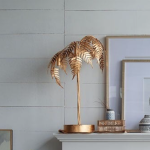

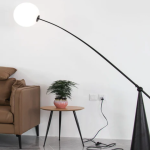

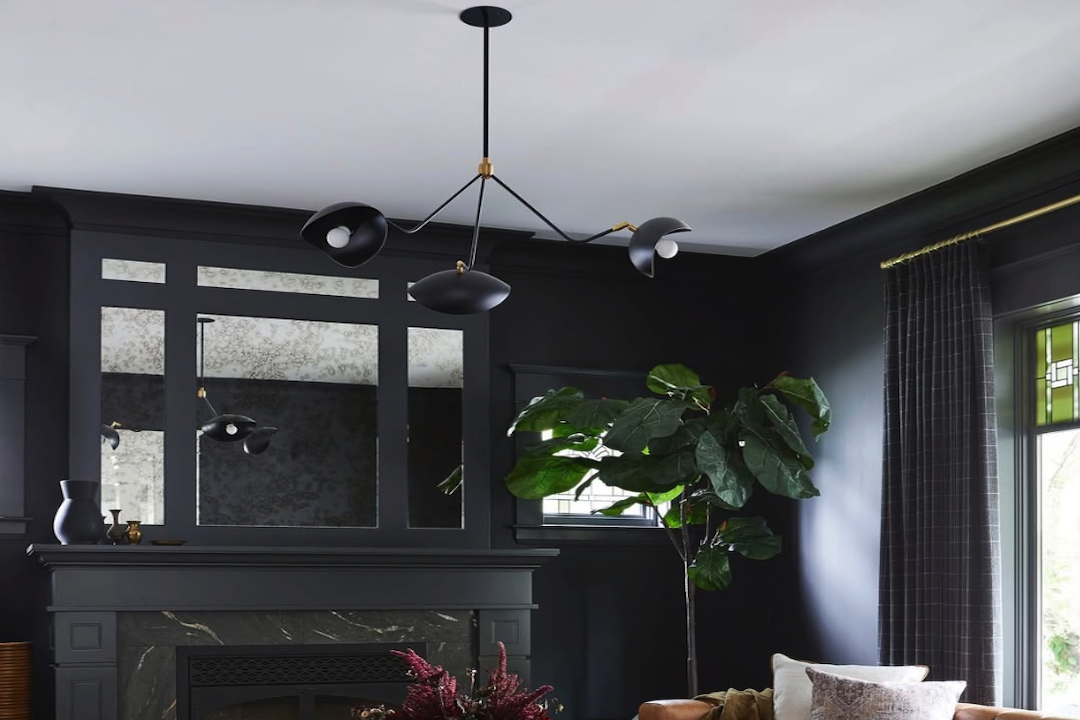
Accent lighting plays a crucial role in interior design, serving not only as a functional element but also as a means to enhance the aesthetic appeal of a space. This type of lighting is specifically designed to highlight certain features within a room, such as artwork, architectural details, or decorative objects. By drawing attention to these focal points, accent lighting can create visual interest and depth, transforming an otherwise ordinary space into one that feels more dynamic and engaging. It allows homeowners to express their personal style while also providing a practical solution for illuminating specific areas.
Moreover, accent lighting Looou contributes to the overall mood and atmosphere of a room. The strategic use of light can evoke different emotions and set the tone for various activities. For instance, softer, warmer lights can create a cozy and inviting environment, ideal for relaxation or social gatherings. In contrast, brighter, cooler lights may be more suitable for workspaces or areas requiring focus and concentration. Understanding the importance of accent lighting is essential for anyone looking to enhance their living spaces effectively.
Choosing the Right Shelves for Accent Lighting
When it comes to accent lighting, the choice of shelves can significantly impact the overall effect. Shelves serve as platforms for displaying decorative items, books, or art pieces that can be illuminated to create a striking visual display. Selecting the right type of shelves involves considering both functionality and aesthetics. Floating shelves, for example, offer a modern look and can be easily integrated into various design styles. They provide an unobtrusive way to showcase items while allowing light to flow freely around them.
In addition to style, the material and color of the shelves should also be taken into account. Lighter-colored shelves can reflect light more effectively, enhancing the brightness of the space. Conversely, darker shelves may absorb light but can create a dramatic contrast when paired with well-placed accent lighting. It is also important to consider the depth and height of the shelves; deeper shelves can accommodate larger items that may require more focused lighting, while higher shelves can draw the eye upward, making a room feel more spacious.
Selecting the Right Type of Lighting Fixtures
The selection of lighting fixtures is a critical aspect of implementing effective accent lighting. Various types of fixtures are available, each offering unique benefits and styles. Track lighting is a popular choice for accent lighting due to its versatility; it allows for adjustable positioning of individual lights along a track, enabling homeowners to direct light precisely where it is needed. This flexibility makes it ideal for highlighting specific areas or objects within a room.
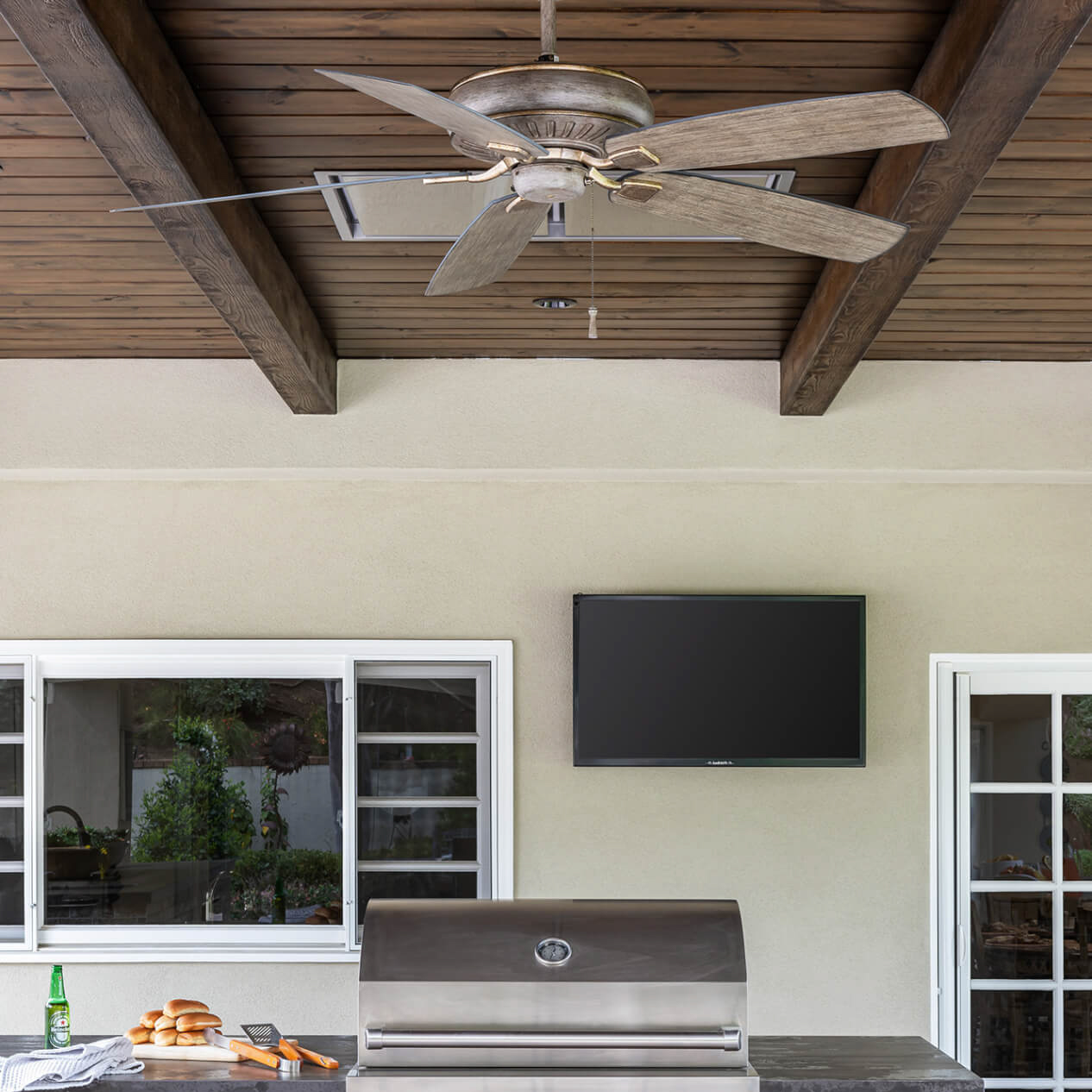
Another option is recessed lighting, which provides a clean and unobtrusive look. Installed into the ceiling, recessed lights can be used to create a wash of light that highlights walls or artwork without taking up visual space. Wall sconces are also effective for accent lighting; they can add character to a room while providing focused illumination on specific features. When selecting fixtures, it is essential to consider the overall design theme of the space and choose options that complement existing decor while fulfilling functional requirements.
Placement and Arrangement of Accent Lighting
The placement and arrangement of accent lighting are vital for achieving the desired effect in any space. Proper positioning can enhance the visual appeal of highlighted objects while ensuring that the light does not create harsh shadows or glare. A common approach is to place lights at an angle to the object being illuminated; this technique helps to create depth and dimension, making the feature stand out more effectively.
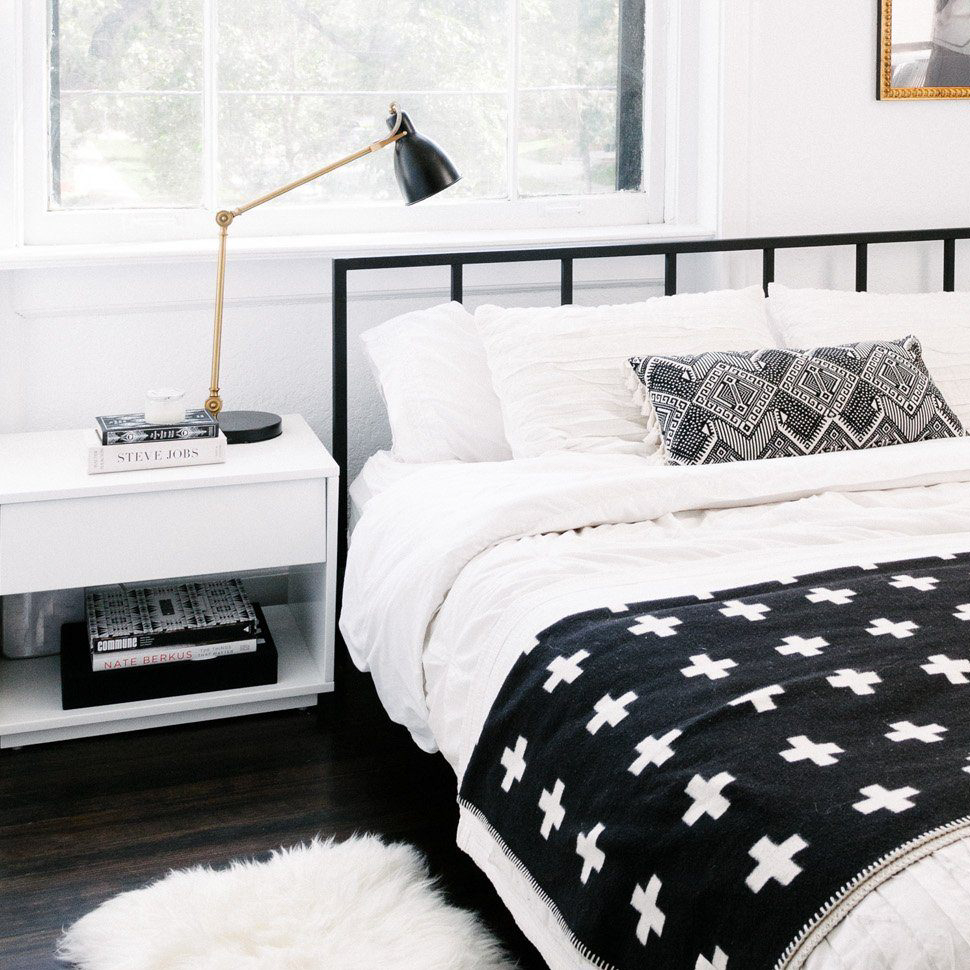
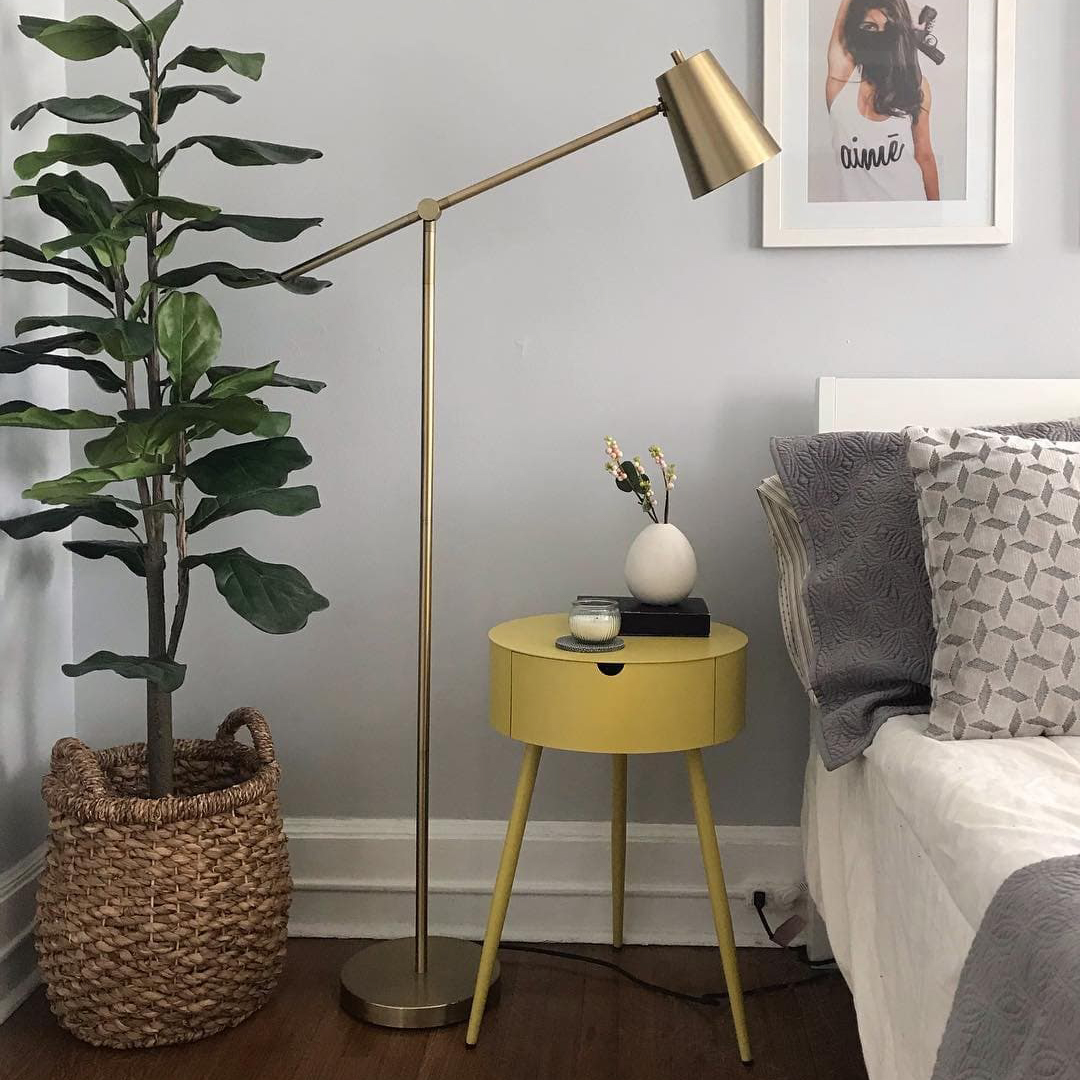
In addition to angle, the height at which lights are installed can significantly influence their impact. For instance, wall-mounted fixtures should be positioned at eye level to provide optimal illumination without overwhelming the viewer. Similarly, when using floor lamps or table lamps as accent lighting, their height should be considered in relation to surrounding furniture and decor. A well-thought-out arrangement not only enhances the aesthetic quality of a room but also contributes to its functionality by ensuring that light is distributed evenly throughout the space.
Using Dimmers and Smart Bulbs for Mood Control
Incorporating dimmers and smart bulbs into accent lighting setups offers an added layer of control over the ambiance of a room. Dimmers allow users to adjust the brightness of lights according to their needs or preferences, enabling a seamless transition from bright task lighting to softer ambient light for relaxation or entertainment. This flexibility is particularly useful in multi-functional spaces where different activities may require varying levels of illumination.
Smart bulbs take this concept further by offering customizable settings through mobile apps or voice commands. Users can change colors, adjust brightness levels, and even set schedules for when lights turn on or off. This technology not only enhances convenience but also allows for creative expression in lighting design. By experimenting with different colors and intensities, homeowners can create unique atmospheres that suit specific occasions or moods.
Incorporating Decorative Elements for a Cozy Ambiance
To achieve a cozy ambiance through accent lighting, incorporating decorative elements is essential. Accessories such as decorative lampshades, colored glass fixtures, or even string lights can add character while softening the overall look of a space. These elements not only serve as functional light sources but also contribute to the visual narrative of the room.
Additionally, integrating natural materials like wood or stone into lighting designs can enhance warmth and texture. For example, wooden lamp bases or stone wall sconces can create an inviting atmosphere that complements other design elements in the room. Layering different types of lighting—such as combining accent lights with ambient and task lighting—can further enrich the environment, creating a balanced and harmonious feel that encourages relaxation and comfort.
Maintenance and Care for Accent Lighting
Proper maintenance and care are essential for ensuring that accent lighting remains effective and visually appealing over time. Regular cleaning of fixtures is necessary to prevent dust buildup that can diminish brightness and alter color quality. Depending on the type of fixture, this may involve wiping down surfaces with a soft cloth or using specialized cleaning solutions for glass or metal components.
In addition to cleaning, it is important to periodically check bulbs for functionality and replace any that have burned out. For fixtures with adjustable components, ensuring that they are securely positioned will help maintain their effectiveness in highlighting desired features. By taking these simple maintenance steps, homeowners can prolong the life of their accent lighting while ensuring it continues to enhance their living spaces.
Tips for Creating a Balanced and Harmonious Ambiance
Creating a balanced and harmonious ambiance through accent lighting involves careful consideration of various elements within a space. One effective strategy is to layer different types of lighting—ambient, task, and accent—to achieve depth and dimension. This approach allows for flexibility in adjusting light levels based on activities or moods while ensuring that no single type of lighting overwhelms the others.
Another important aspect is color temperature; selecting bulbs with similar color temperatures across different fixtures helps maintain consistency in the overall look of a room. Warmer tones tend to create a more inviting atmosphere, while cooler tones may lend themselves better to modern or minimalist designs. Additionally, considering the scale and proportion of fixtures in relation to furniture and architectural features will contribute to a cohesive design that feels intentional rather than haphazard.
In conclusion, accent lighting serves as an essential tool in interior design, capable of transforming spaces by highlighting key features while contributing to overall ambiance. By understanding its importance, choosing appropriate shelves and fixtures, carefully arranging placements, utilizing dimmers and smart technology, incorporating decorative elements, maintaining fixtures properly, and striving for balance in design, homeowners can create inviting environments that reflect their personal style and enhance their quality of life.